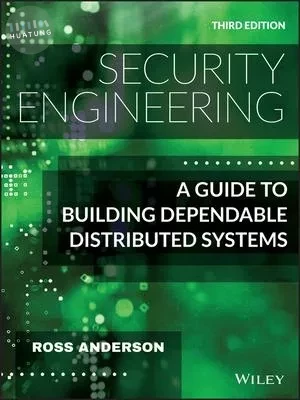
【簡介】 Now that there’s software in everything, how can you make anything secure? Understand how to engineer dependable systems with this newly updated classicIn Security Engineering: A Guide to Building Dependable Distributed Systems, Third Edition Cambridge University professor Ross Anderson updates his classic textbook and teaches readers how to design, implement, and test systems to withstand both error and attack.This book became a best-seller in 2001 and helped establish the discipline of security engineering. By the second edition in 2008, underground dark markets had let the bad guys specialize and scale up; attacks were increasingly on users rather than on technology. The book repeated its success by showing how security engineers can focus on usability.Now the third edition brings it up to date for 2020. As people now go online from phones more than laptops, most servers are in the cloud, online advertising drives the Internet and social networks have taken over much human interaction, many patterns of crime and abuse are the same, but the methods have evolved. Ross Anderson explores what security engineering means in 2020, including: How the basic elements of cryptography, protocols, and access control translate to the new world of phones, cloud services, social media and the Internet of ThingsWho the attackers are - from nation states and business competitors through criminal gangs to stalkers and playground bulliesWhat they do - from phishing and carding through SIM swapping and software exploits to DDoS and fake newsSecurity psychology, from privacy through ease-of-use to deceptionThe economics of security and dependability - why companies build vulnerable systems and governments look the other wayHow dozens of industries went online - well or badlyHow to manage security and safety engineering in a world of agile development - from reliability engineering to DevSecOpsThe third edition of Security Engineering ends with a grand challenge: sustainable security. As we build ever more software and connectivity into safety-critical durable goods like cars and medical devices, how do we design systems we can maintain and defend for decades? Or will everything in the world need monthly software upgrades, and become unsafe once they stop?
還沒有人留下心得,快來搶頭香!
為您推薦

類似書籍推薦給您

類似書籍推薦給您
類似書籍推薦給您
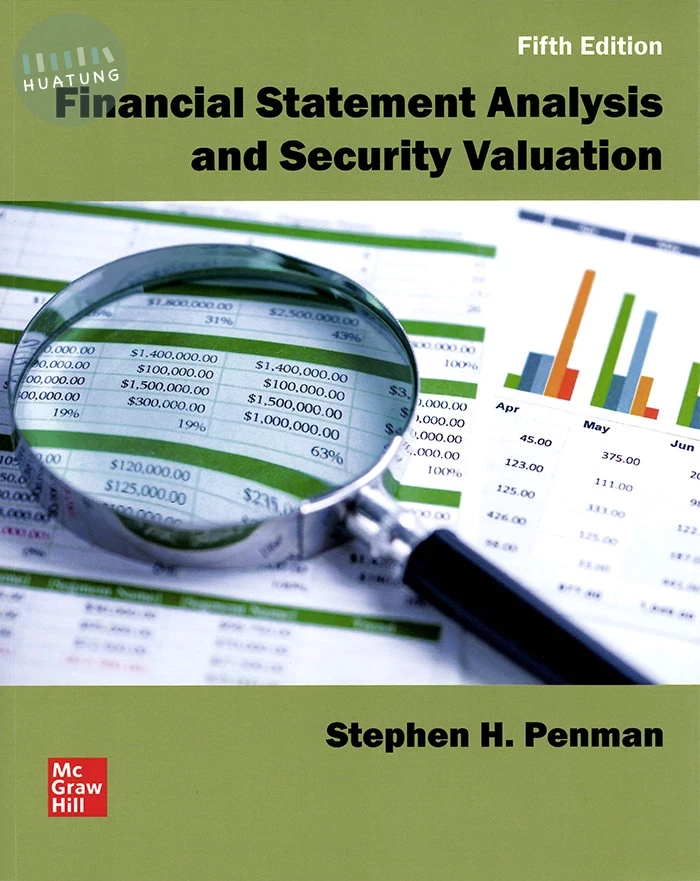
【簡介】 This book describes valuation as an exercise in financial statement analysis. Students learn to view a firm through its financial statements and to carry out the appropriate financial statement analysis to value the firm's debt and equity. The book takes an activist approach to investing, showing how the analyst challenges the current market price of a share by analyzing the fundamentals. With a careful assessment of accounting quality, accounting comes to life as it is integrated with the modern theory of finance to develop practical analysis and valuation tools for active investing. 【目錄】 Ch 1 Introduction to Investing and Valuation Ch 2 Introduction to the Financial Statements PART I: FINANCIAL STATEMENTS AND VALUATION Ch 3 How Financial Statements Are Used in Valuation Ch 4 Cash Accounting, Accrual Accounting, and Discounted Cash Flow Valuation Ch 5 Accrual Accounting and Valuation: Pricing Book Values Ch 6 Accrual Accounting and Valuation: Pricing Earnings Ch 7 Valuation and Active Investing PART II: THE ANALYSIS OF FINANCIAL STATEMENTS Ch 8 Viewing the Business Through the Financial Statements Ch 9 The Analysis of the Statement of Shareholders' Equity Ch10 The Analysis of the Balance Sheet and Income Statement Ch11 The Analysis of the Cash Flow Statement Ch12 The Analysis of Profitability Ch13 The Analysis of Growth and Sustainable Earnings PART III: FORECASTING AND VALUATION ANALYSIS Ch14 The Value of Operations and the Evaluation of Enterprise Price-to-Book Ratios and Price-Earnings Ratios Ch15 Anchoring on the Financial Statements: Simple Forecasting and Simple Valuation Ch16 Full-Information Forecasting, Valuation, and Business Strategy Analysis PART IV: ACCOUNTING ANALYSIS AND VALUATION Ch17 Creating Accounting Value and Economic Value Ch18 Analysis of the Quality of Financial Statements PART V: THE ANALYSIS OF RISK AND RETURN Ch19 The Analysis of Equity Risk and Return Ch20 The Analysis of Credit Risk and Return
 資訊
資訊
 工程
工程
 數學與統計學
 機率與統計
機率與統計
 自然科學
自然科學
 健康科學
健康科學
 地球與環境
地球與環境
 建築、設計與藝術
 人文與社會科學
 教育
教育
 語言學習與考試
 法律
法律
 會計與財務
會計與財務
 大眾傳播
大眾傳播
 觀光與休閒餐旅
 考試用書
考試用書
 研究方法
研究方法
 商業與管理
商業與管理
 經濟學
經濟學
 心理學
心理學
 生活
生活
 生活風格商品
 參考書/測驗卷/輔材