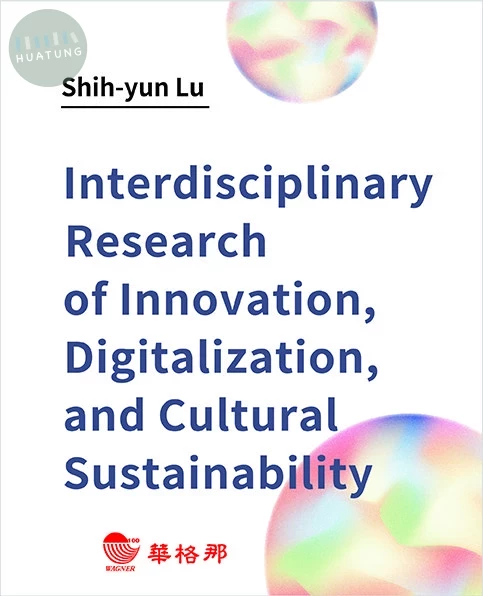


Interdisciplinary Research of Innovation, Digitalization, and Cultural Sustainability
$333元 定價: $350 9.5折 可訂購
此書籍已售完,調書籍需2-5工作日。建議與有庫存書籍分開下單
Shih-yun Lu………………………….0
Book Title: Interdisciplinary Research of Innovation, Digitalization, and Cultural Sustainability ………………………….0
Acknowledgements………………………….2
Table of Contents………………………….4
List of Tables………………………….12
Introduction………………………….14
1.Aims of Research………………………….14
1.1 Research Context: Xiaoxi Street, Changhua………………………….15
1.2 Cultural and Industrial Heritage of Xiaoxi Street. ………………………….15
1.3 Revitalization Efforts and Future Directions………………………….17
2.Research Questions………………………….17
3.Research Approach. ………………………….24
4.Summary………………………….29
4.1. Cultural Education Program (Aligned with SDG 4) ………………………….30
4.2. Digital Resource Development (Aligned with SDG 4 and SDG 17)………………………….30
4.3. Social Media Promotion and Community Interaction (Aligned with SDG 17)………………………….31
Chapter 1………………………….34
1.Introduction………………………….34
1.1. Local Connection………………………….49
1.2. Actions………………………….50
1.3. Support System…………………………. 52
2.Research Motive and Purpose. ………………………….53
2.1. Research Objectives………………………….55
2.2. Teaching aim. …………………………. 57
3.Literature Review………………………….61
4.Research Question………………………….83
5.Research Methodology…………………………. 85
5.1. Literature Analysis…………………………. 85
5.2. In-Depth Field Interviews. …………………………. 86
5.3. Case Study Method………………………….86
5.4. Quasi-Experimental Research Method………………………….87
5.5. Research Subjects………………………….88
6.Teaching Process and Outcomes. ………………………….89
6.1 Teaching and Outcomes. ………………………….89
6.1.1 Preliminary Interview Procedures. ………………………….89
6.1.2 Qualitative Learning Worksheet for Aesthetic Judgment of Images… 90
6.2 Research Tools………………………….92
6.2.1 Reliability. ………………………….93
6.2.2 Validity………………………….94
7.Teaching Reflections………………………….94
8.Student Leaming Feedback………………………….97
9.Course Implementation Process.………………………….97
10.Sampling………………………….98
11.Consolidation of Artisan Interview Data………………………….100
11.1 Pre-and Post-Test Scoring Standards………………………….101
11.2 Data Processing and Analysis Methods………………………….102
11.2.1 Quantitative Analysis………………………….102
11.2.2 Qualitative Analysis………………………….103
12.1 Spearman Rank Correlation.………………………….104
12.2 Inter-rater Reliability………………………….105
Chapter 2………………………….110
1.Introduction………………………….110
1.1 Innovative or Continued Research Value………………………….118
2.Research Motivation and Objectives………………………….122
2.1 Research Motivation: ………………………….122
2.2 Research Themes and Objectives………………………….135
2.3 Research Objectives………………………….137
3.Literature Review………………………….146
3.1 Xiaoxi Street Memory Map………………………….146
3.2 VR/AR Development………………………….152
3.3 Rise of Influencers………………………….155
3.4 Narrative Imagination Evaluation………………………….158
3.5 Practical Assessment and Portfolio Assessment………………………….162
4.Teaching Design and Research Methods………………………….163
4.1 Teaching Design………………………….163
4.2 Evaluation Methods………………………….165
4.3 Evaluationt Tools for Learning Performance………………………….167
4.4 Teaching Content………………………….168
4.5 Research Methods and Implementation Steps………………………….168
4.5.1 Research Framework………………………….169
5.Teaching and Research Outcomes………………………….172
5.1 Teaching Process and Outcomes………………………….172
5.2 Analysis of Aesthetic Ability Pre- and Post-Tests for Students of this department (dependent Sample t-test) ………………………….172
5.3 Post-test Analysis of Departmental and Non-departmental Students (Independent Sample t-test) ………………………….174
5.4 Analysis of Covariance (ANCOVA) ………………………….176
5.5 Spearman’s Rho Correlation Analysis.………………………….178
6.Teacher’s Reflection on Teaching………………………….180
7.Recommendations and Reflections………………………….182
7.1 Recommendations for the Imagination Learning Diagnostic System………………………….183
Chapter 3………………………….185
1.Introduction………………………….185
2.Research Content………………………….200
2.1 Literature Review………………………….200
2.2 Teaching Plan Design………………………….201
2.3 Creation of theme and online curation………………………….202
2.4 Teaching Innovation or Sustainability………………………….203
3.Research Motivation and Purpose………………………….205
3.1 Research Motivation………………………….205
4.Research Topics and Objectives………………………….208
4.1 Research Topics………………………….208
4.2 Research Objectives………………………….210
4.3 Xiaoxi Street History………………………….212
4.4 Narrative Imagination Assessment………………………….216
4.5 Practical Assessment and Portfolio Assessment………………………….218
4.6 VR Social Platform Virtual Museums………………………….219
4.7 Virtual-Physical Blended Communities………………………….222
4.8 VR Virtual Immersion: “Imagination, Empathy, and Illusion”………………………….224
5.Teaching Design and Research Methods………………………….231
5.1 Teaching Field………………………….232
5.2 Research Design………………………….237
6.Teaching Process and Outcomes………………………….241
6.1 Research Outcomes………………………….244
6.2 Research Result………………………….252
7.Conclusion………………………….258
7.1 Teaching Effectiveness on Enhancing Various Indicators of Imagination………………………….258
7.1.1 Teaching Effectiveness for First-Year Students………………………….259
7.1.2 Teaching Effectiveness for Third and Fourth-Grade Students………………………….260
7.2 Comparison of Basic and Advanced Courses………………………….260
7.3 Differences in Imagination Traits and the Impact of Teaching Methods on Basic and Advanced Courses………………………….261
7.3.1 Differences in Imagination Traits………………………….262
7.4 Impact of Teaching Methods on Basic and Advanced Courses………………………….263
8.Summary………………………….263
8.1 Teaching Reflections………………………….264
8.2 Students Feedback………………………….266
9.Recommendations and Reflections………………………….269
9.1. Adaptive Teaching Process Based on Student Feedback………………………….269
9.2. Systematic Historical Research and Curriculum Development………………………….270
9.3. Collaborative Learning and VRChat Integration………………………….270
9.4. Exploring Self-Directed Learning and Performance Assessment………………………….271
9.5. Evaluating Technology and Future Directions………………………….271
10.Appendix………………………….272
Conclusion………………………….273
1.Research Focus and Educational Strategies………………………….273
4.1 Integration of Cross-Disciplinary Educational Strategies: ………………………….276
4.2 Leveraging Digital Resources and AR/VR Technology: ………………………….277
4.3 Fostering Youth Participation in Cultural Preservation: ………………………….277
4.4 Strengthening Digital Partnerships: ………………………….277
4.5 Incorporating Local Identity into Urban Planning: ………………………….277
4.6 Continuous Evaluation and Adaptation of Educational Programs: ………………………….278
4.7 Expanding the Scope of Database Resources: ………………………….278
Reference………………………….28