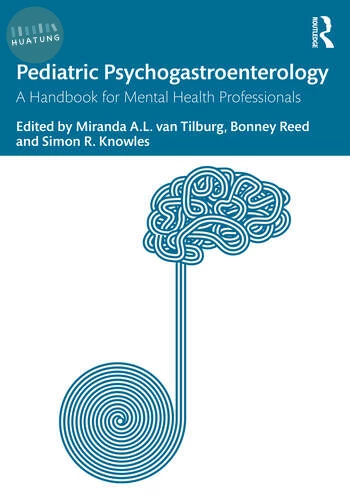


Pediatric Psychogastroenterology A Handbook for Mental Health Professionals (1版)
$499元現貨: 1
簡介
Bringing together international experts in psychological and behavioural treatments for pediatric gastrointestinal symptoms, this book provides detailed, evidence-based protocols targeting gastrointestinal distress and associated mental health concerns for patients and their families.
The first consolidated resource on the topic, Pediatric Psychogastroenterology gives mental health professionals access to the most up to date clinical knowledge and practice. Taking a holistic approach, it guides the reader on the treatment and care of pediatric gastrointestinal patients, as well as how to work with and support children’s parents and families. The book is structured around symptom presentation and common challenges, enabling the reader to focus quickly on the area of need. Each chapter includes clinical pearls of wisdom and 62 developmentally appropriate worksheets for patients and their families to facilitate treatment, available for download.
This practical, authoritative guide is an essential resource for mental health professionals who work directly with pediatric cohorts, as well as postgraduate students in health psychology, behavioral medicine, or social work.
目錄
Part 1: Introduction to pediatric gastrointestinal physiology and conditions, the brain-gut axis, and working within health care teams
Chapter 1: Gastrointestinal anatomy and physiology
Jordan M. Shapiro
Chapter 2: Stress, psychological factors, and the brain-gut axis
Julie Snyder Christiana and Samuel Nurko
Chapter 3: Common gastrointestinal conditions in pediatrics
Ashish Chogle
Chapter 4: Medical procedures/testing in pediatric gastroenterology
Shaunte McKay and Jose Garza
Chapter 5: Helping youth manage medical procedures
Delane Linkiewich, Olivia Dobson, and C. Meghan McMurtry
Chapter 6: Case conceptualization and assessment
Michele H. Maddux and Amanda D. Deacy
Chapter 7: Collaborative, multidisciplinary treatment
Jennifer Verrill Schurman and Craig A. Friesen
Chapter 8: Working with parents and primary caregivers
Kari Freeman Baber and Kelly A. O’Neil Rodriguez
Chapter 9: Caring for youth and families with complex medical and psychosocial concerns
Bradley Jerson and Amy E. Hale
Part 2: Psychological approaches in pediatric Psychogastroenterology
Chapter 10: Feeding difficulties: Introduction
Hayley H. Estrem, Jaclyn Pederson, and Kaitlin B. Proctor
Chapter 11: Feeding difficulties: Food refusal
Meghan a. Wall, Andrea Begotka, and Cindy Kim
Chapter 12: Feeding difficulties: Food selectivity
Kaitlyn Mosher, Robert Dempster, Valentina Postorino, and T. Lindsey Burrell
Chapter 13: Feeding difficulties: Difficulty swallowing and the fear of aversive consequences
Nancy L. Zucker, Ilana B. Pilato, and Sarah Lemay-Russell
Chapter 14: Nausea and vomiting
Sally Tarbell
Chapter 15: Pain disorders: Introduction, assessment, and psychophysiology
Liz Febo-Rodriguez and Miguel Saps
Chapter 16: Pain disorders interventions: Cognitive behavior therapy & Acceptance and commitment therapy
Tasha Murphy, Miranda A.L. van Tilburg, and Rona L. Levy
Chapter 17: Pain disorder interventions: Hypnotherapy
Arine M. Vlieger
Chapter 18: Constipation and soiling: Infant/toddler
Christina Low Kapalu and John M. Rosen
Chapter 19: Constipation and soiling: Children and adolescents
Jaclyn A. Shepard and Alex C. Nyquist
Part 3: Transition and future challenges in pediatric Psychogastroenterology
Chapter 20: Chronic illness adjustment and transition
Sara L. Lampert-Okin, Meghan M. Howe, Angela Yu, Kim Grzesek, and Rachel Neff Greenley
Chapter 21: Supervision and future challenges in pediatric psychogastroenterology
Bonney Reed, Simon R. Knowles, and Miranda A.L. van Tilburg