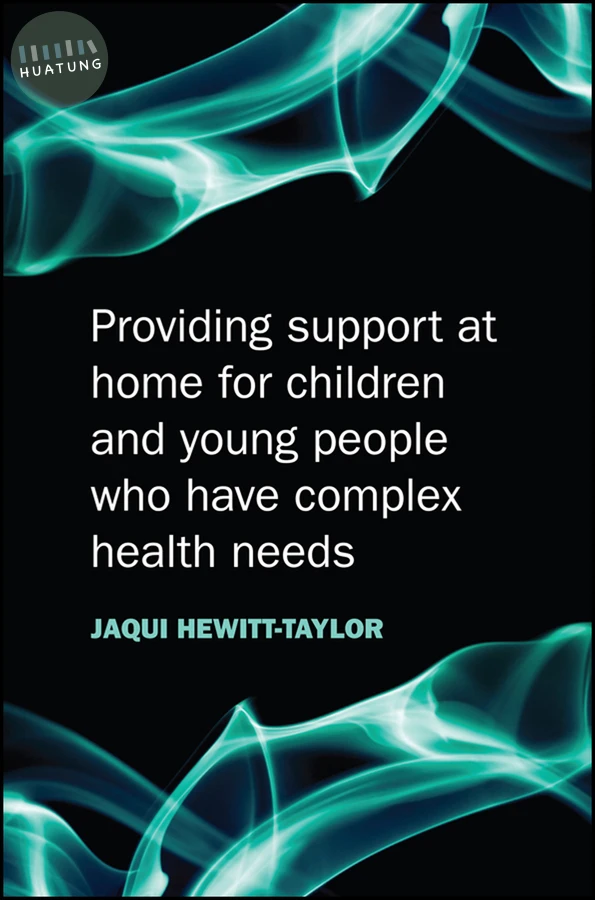
Providing Support at Home for Children and Young People who have Complex Health Needs
$2008元 定價: $2231 9折 可訂購
簡介
Providing Support at Home for Children and Young People who have Complex Health Needs discusses elements of providing support in the home, which influence the quality of provision. This includes: the rationale for providing support at home, the child being central to the provision of support, taking into account the needs of the whole family, working closely with parents, working in the family home, choices and rights, supporting adolescents, team working, ethical issues, political and organisational issues. Case studies are used to illustrate the points raised.
目錄
Preface xi
1 Children and Young People who have Complex and Continuing Health Needs 1
Definitions 1
Providing Care at Home 4
Economic Issues 6
The Best Option for Individuals 7
Achieving Home Care 8
2 Putting the Child or Young Person First 10
Quality of Life 11
The Child or Young Person’s Priorities, Preferences and Choices 12
Communication 14
Play 18
Social Opportunities and Leisure Activities 21
Education 22
The Right to Privacy 26
Developing Independence 27
Summary 28
3 The Child or Young Person as a Part of the Family 29
Family 29
Parenting 30
Being the Parent of a Child who has Complex Needs 32
Expert Parents 35
The Impact of having a Child who has Complex Needs 37
Social Opportunities 40
Employment and Finances 42
Relationships Between Parents 43
Effects on the Family 44
The Impact of the Child’s Needs on their Siblings 47
The Impact of the Child’s Needs on the Extended Family 49
Summary 50
4 Working with Parents 52
Negotiation 52
Building Relationships 54
Respect 56
Respect for Parents’ Responsibility for their Child 57
Trust 58
Boundaries in Professional Relationships 60
Working with Parents who are Experts 63
Enabling and Supporting Parents to Access and Accept Support 66
Understanding and Working with the Family’s Expectations 67
Summary 69
5 Working in the Family Home 70
Being a Visitor in One’s own Workplace 70
Intrusion Versus Support 71
Staff Safety and Well-being in the Workplace 76
Confidentiality 79
Summary 81
6 Supporting Young People 83
Developing Independence 83
Risk Taking 86
Developing Peer Relationships 89
Image and Identity 90
Sexuality and Sexual Expression 91
Further Education 94
Preparing for Employment 95
Transition to Adult Services 96
Summary 99
7 Grief, Loss and Bereavement 100
Grief and Loss for Children and Young People 100
Sources of Loss for Parents 104
Sources of Loss for other Family Members 109
Theories of Grief, Loss and Bereavement 110
Children and Young People’s Concepts of Death 112
Families Living with Loss 115
Supporting Families who Experience Loss 117
Loss for Healthcare Staff 119
Summary 120
8 Choices and Rights 121
Children’s Rights 121
Autonomy 122
Autonomy and Healthcare 125
Competence in Decision Making 127
Consent 129
Empowerment 131
Advocacy 133
Child Protection 136
Equality and Disability Rights 138
Summary 139
9 Ethical Issues Involved in Supporting Children, Young People and their Families 141
Morals and Ethics 142
Promoting Health 142
Ethical Principles 145
Duties of Healthcare Professionals 151
Fidelity 154
Responsibility 154
Summary 155
10 Organisational Issues 157
Support 157
Determining what is Needed 159
Joined-up Assessment 161
Collaborative Working 162
The Key Worker 166
Organising Care Packages 167
Independent Funding Options 169
Short-Break Services 170
Summary 172
11 Working with Children, Young People and Their Families 174
Seeing the Child or Young Person First 174
The Child or Young Person as a Part of their Family 176
Working in the Family Home 177
Supporting Young People 178
Decision Making and Finite Resources 179
Appendix: Useful Resources 181
References 185
Index 199