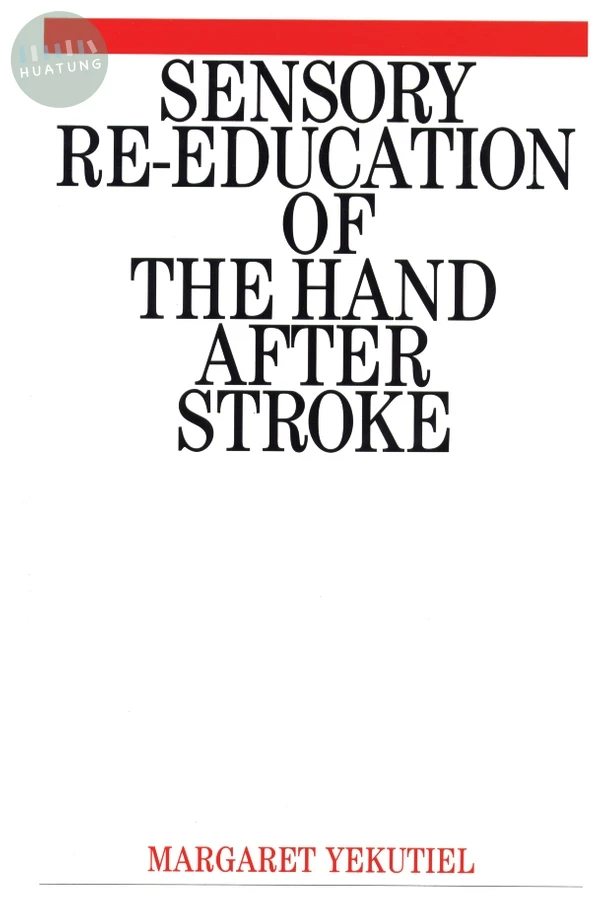

Sensory Re-Education of the Hand after Stroke
$2445元 定價: $2717 9折 可訂購
簡介
Stroke patients continue to present a major challenge to the rehabilitation professions. In particular, the "rehabilitated" patient with a useless hand remains an all too common phenomenon. This book focuses on the sensory perceptual disturbances caused by stroke which, even if slight can be the crucial factor in poor hand function. A wide-ranging review is presented of the processes of functional reorganisation by which the brain responds to the demands posed by injury as well as by learning. An inescapable conclusion from this literature is that any therapy which aims to harness these processes for the restoration of function after stroke needs to engage the patient's attention and motivation. This is followed by a detailed description of the method of Sensory Re-education developed by the author through long experience with patients and culminating in a clinical trial which establised its effectiveness. While the book is intended primarily for physiotherapists and occupational therapists, it contains much to interest all who are concerned with brain function in health and disease, including neurologists and neuropsychologists, as well as stroke patients and their families. Contents
Introduction
The Challenge: Stroke and its Aftermath
The Effectiveness of Therapy
The Quest for a Different Approach
Sensory Loss in Stroke: Sensory Testing and the Frequency and Types of Deficit
The Functional Implications of Sensory Loss
The Theoretical Basis of Sensory Re-education: Sources
Peripheral Nerve Lesions; Central Lesions
Guide-lines for Intervention
Contributions from Psychology: Attention; Motivation
The Essentials of Sensory Re-education: The Focus on the Hand
The Therapeutic Relationship
The Protocol for a Sensory Task
Summary
The Curriculum I: How to Use the Curriculum
Lessons in Touch
The Curriculum II: Lessons in Proprioception
Lessons in the Recognition of Objects and Their Qualities
Suggestions for Homework
Validation of the Method: Theoretical Considerations
A Controlled Trial
The Next Step
Wider Applications: Sensory Problems in Standing and Walking After Stroke
Cerebral Palsy
Other Conditions
Wider Applications
Conclusion
目錄
Foreword vii
Derick T. Wade Preface ix
Introduction 1
The Challenge 4
Stroke and its aftermath 4
The effectiveness of therapy 6
The quest for a different approach 12
Sensory Loss in Stroke 14
Sensory testing, and the frequency and types of deficit 14
The functional implications of sensory loss 22
The treatment of sensory loss 25
The Theoretical Basis of Sensory Re-education 29
Sources 29
Peripheral nerve lesions 33
Central lesions 38
Guidelines for intervention 42
Contributions from Psychology 48
Attention 48
Motivation 55
The Essentials of Sensory Re-education 63
The focus on the hand 63
The therapeutic relationship 64
The protocol for a sensory task 67
Summary 69
The Curriculum I 71
How to use the curriculum 71
Lessons in touch 73
The Curriculum II 86
Lessons in proprioception 86
Lessons in the recognition of objects and their qualities 93
Suggestions for homework 103
Validation of the Method 106
Theoretical considerations 107
A controlled trial 109
The next step 116
Wider Applications 118
Sensory problems in standing and walking after stroke 118
Cerebral palsy 119
Other conditions 121
Wider applications 122
Conclusion 123
References 124
Index 143