
簡介
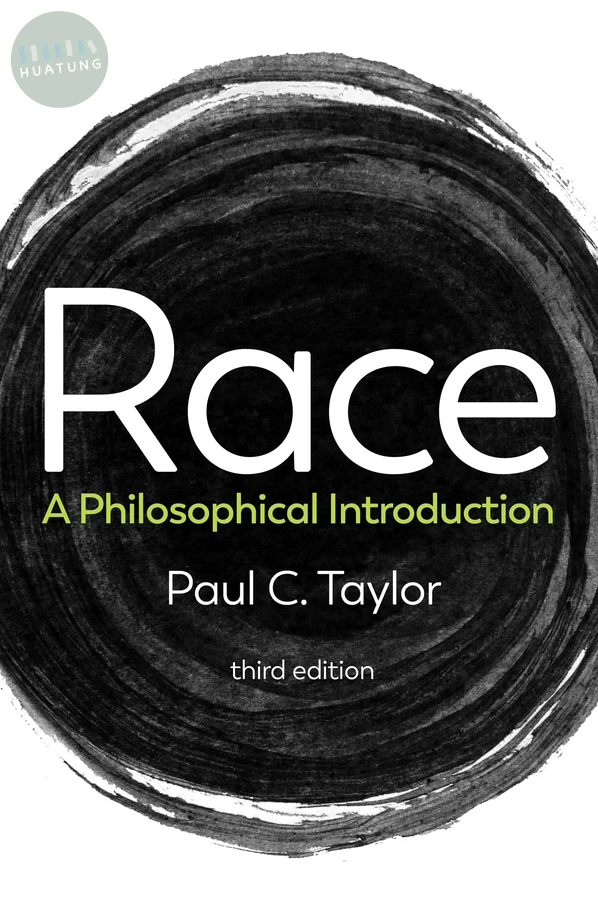
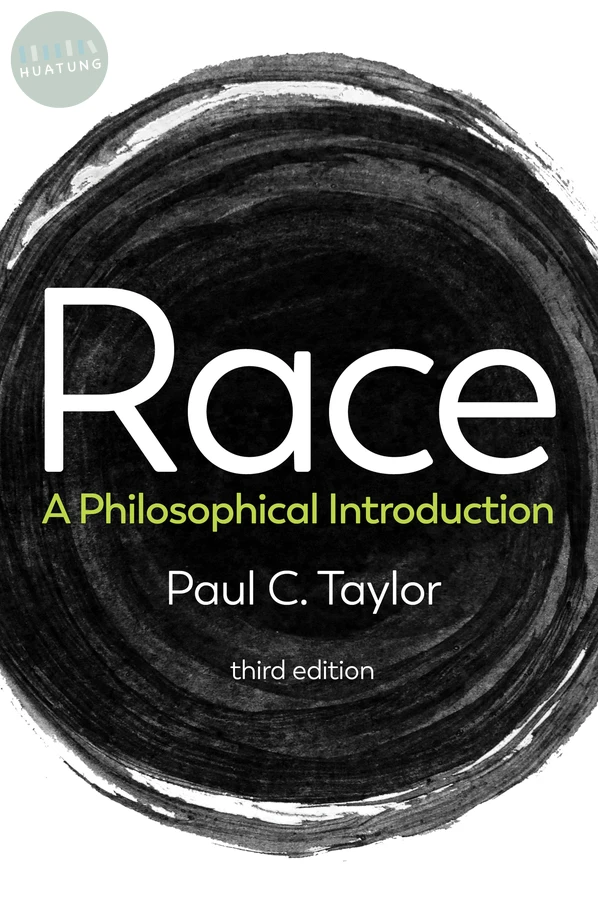
The third edition of Race: A Philosophical Introduction continues to provide the definitive guide to a topic of major contemporary importance. In this thoroughly updated and revised volume, Paul Taylor outlines the main features and implications of race-thinking, while engaging the ideas of important figures such as Linda Alcoff, K. Anthony Appiah, W. E. B. Du Bois, Michel Foucault and Sally Haslanger. The result is a comprehensive but accessible introduction to philosophical race theory and to a non-biological and situational notion of race, which blends metaphysics and social epistemology, aesthetics, analytic philosophy and pragmatic philosophy of experience.
Taylor approaches the key questions in philosophy of race: What is race-thinking? Don’t we know better than to talk about race now? Are there any races? What is it like to have a racial identity? And how important, ethically, is color blindness? On the way to answering these questions, he takes up topics such as mixed-race identity, white supremacy, the relationship between the race concept and other social identity categories, and the impact of race-thinking on our erotic and romantic lives. The concluding section explores the racially fraught issues of policing, immigration, and global justice, and the implications of the political upheavals of the past decade, from the election of Donald Trump to the global upsurge in anti-immigrant populism.
Updated throughout, Race remains a vital resource for the educated general reader as well as for students and scholars of ethnic studies, philosophy, sociology, and related fields.
目錄
Preface to the Third Edition
Acknowledgments
Introduction
1. The Language of Race
Prologue – Black Power Mixup
1.1. Race-talk and the invitation to philosophy
1.2 Setting the context
1.3. Taking race seriously
1.4. Words vs. things
1.5. What do you mean, “we”?
1.6. What race-talk does
Bodies (appearance)
Bloodlines (ancestry)
Assigning generic meaning
1.7. Modern racialism
1.8. Politics and method
Politics and context
Systems and structures
Process and power
1.9 Conclusion
2. Unnatural Histories
Prologue – When were Mona’s dumplings?
2.1. Introduction
2.2. The pre-modern background
2.3. Early modern racialism
Table 2.1. The (early) stages of modern racialism, 1492–1923
2.4. High modern interpretations of race
2.5. High modern racial structures
The racial state
Consolidating whiteness
2.6. Classical racialism vs. critical racialism
2.7. Late-modern racialism
Table 2.2. The stages of modern racialism, continued, 1923–2021
On the meaning of civil rights
Transition: The Moynihan Report
2.8. Post-modern racialism
2.9. Conclusion
3. Three Challenges to Race-Thinking
Prologue – Not Black Black; or, The Wobbly, The Rasta, and the Ex-White Man
3.1 Introduction
3.2. Isn’t race-thinking unethical?
3.3. What racism is
3.4. Isn’t racial biology false?
3.4.1 The first problem – splitting and discreteness
3.4.2. The second problem – lumping and clusters
3.4.3. The third problem – against inheritance
3.5. Isn’t the race concept just in the way?
3.5.1 Ethnicity
3.5.2 Nation
3.5.3 Class
3.5.4 Caste
3.5.5 Sex/gender
3.6. Mergers and injunctions
3.7 Conclusion
4. What Races Are: Twenty Questions about Racial Metaphysics
Prologue – Race Is, Race Ain’t
4.1. Introduction
4.2. Subjects and objects, concepts and conceptions
4.3. Patterns and proposals, Cornish and criticism
4.4. Language and reality, irony and asterisks
4.5. Cost and benefit, culture and nature
4.6. Conclusion
5. Ethics, Existence, Experience
Prologue – Pure; or, The Fourth Life of Mona Rogers
5.1. Introduction: Who has believed our report
5.2. Ethical eliminativism (the anti-racist challenge, continued)
The slippery slope and the argument from political realism
The argument from self-realization
5.3. Existence, identity, and despair
The basics
Despair and doubt, joy and pain
Double consciousness
Micro-diversity
5.4. Beyond the black-white binary
Latinx peoples, outsider racialization, and the gendered substratum
Asian peoples and model minority racialization
Native Americans and savagism
Arabs, Muslims, and the terrorist panic
5.5 Experience, invisibility, and embodiment
The basics
Invisibility and the other mind–body problem
From the ontic to the ontological
5.6 Conclusion
6. The Color Question
Prologue – Keanu and the Promotion; or, good job, good teeth
6.1 Introduction
6.2. The ethics of endogamy
6.3. Choices in context
6.4. Weighing some arguments for endogamy
6.5. Self-criticism and social criticism
6.6. Culture, privacy, and policy
6.7. Color and culture
6.8. Affirmative action: background and arguments
6.9. Affirmative action: suspect classifications
6.10. Conclusion
7. A funny thing happened on the way to post-racialism
Prologue – What’s What We’ll See; or, Nine-Inch Knives and Six-Inch Stimuli
7.1. La Règle du Jeu (The Rules of the Game)
7.2. On post-racialism
7.3. What the Obamas meant
7.4. The nexus of immigration and race
7.5. Immigration enforcement as a racial problem
7.6. Immigration politics as a racial project
7.7. Globalization
7.8. Securitization
7.9. Conclusion: post-post-racialism and the first white president
Further Reading
Notes
Index