
簡介
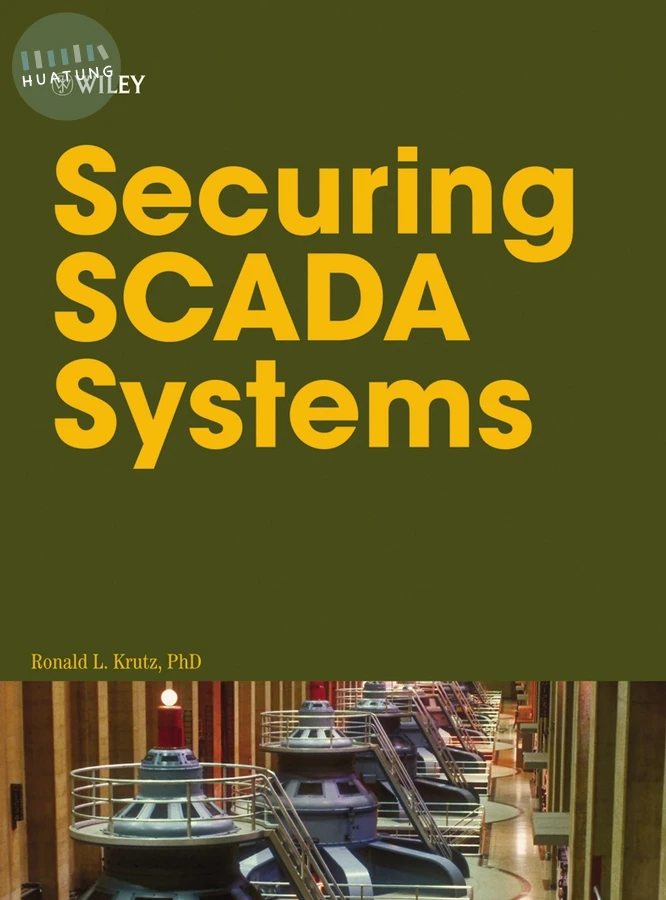
SCADA: Supervisory Control and Data Acquisition, 4th Edition
Supervisory control and data acquisition (SCADA) technology has evolved over the past 30 years as a method of monitoring and controlling large processes. This reference book offers overviews of SCADA s component technologies, as well as details necessary to understand the big picture. SCADA processes cover areas that may be in the thousands of square miles, and have dimensions that may be hundreds, occasionally thousands, of miles long. Now a mature technology, SCADA includes, but is not limited to, software packages that can be incorporated into a system of hardware and software to improve the safety and efficiency of the operation of these large processes. After completing these 15 self-study units, readers should be conversant with SCADA nomenclature and architecture, understand the basic technology of the system s building blocks, understand its limitations, understand how it can benefit particular operations, and have a basis for selecting appropriate SCADA technology for their operational requirements.
This Fourth Edition includes a unit about improving the security of SCADA systems and has been rearranged to provide a more logical presentation of the subject.
目錄
Preface to the Fourth Edition
Unit 1: Introduction and Overview
1-1. Text Coverage
1-2. Purpose
1-3. Audience and Prerequisites
1-4. Study Materials
1-5. Organization and Sequence
1-6. Course Objectives
1-7. Course Length
Unit 2: SCADA – Purpose, Elements, and Layout
2-1. Purpose of a SCADA System
2-2. Applicable Processes
2-3. Elements of a SCADA System
2-4. SCADA Layout
2-5. A Limited Two-Way System
Unit 2. Exercises
Unit 3: Historical Development—Analog and Digital
3-1. Analog Signals, Measurement, and Control
3-2. Discrete Signals, Measurement, and Control
3-3. Development from Telemetry
3-4. Dependence on Communication and Computers
Unit 3. Exercises
Unit 4: Real-Time Systems
4-1. Is SCADA Real-Time?
4-2. Continuous Process Control
4-3. Communications Access and "Master-Slave"
4-4. Determining Scan Interval
4-5. Where to Compute?
Unit 4. Exercises
Unit 5: Control System Elements: Sensors, Actuators, and Algorithms
5-1. A Forgotten Cost
5-2. Special Considerations
5-3. Standardization
5-4. Maintenance
5-5. Local Controllers
5-6. Controllers in RTUs
Unit 5. Exercises
Unit 6: Field/RTU Communications
6-1. Three Rules of Communication
6-2. Analog Pneumatic and Hydraulic Signals
6-3. Analog Electronic Controllers
6-4. Digital Electrical Communication
6-5. How Digital Works—Analog to Binary to Digital
6-6. Parallel or Serial?
6-7. Communication Topology
6-8. Fieldbus and Similar Standards
Unit 6. Exercises
Unit 7: Remote Terminal Units—RTUs
7-1. What Does an RTU Do?
7-2. Communications Interface
7-3. Protocol Detailed
7-4. Discrete Control
7-5. Analog Control
7-6. Pulse Control
7-7. Serial Control
7-8. Monitor Discrete Signals
7-9. Monitor Pulse Count Signals
7-10. Monitor Serial Signals
7-11. Non-RTU Functions
7-12. RTU Hardware Choices
Unit 7. Exercises
Unit 8: RTU/MTU Communication
8-1. Communications System Components
8-2. Protocol
8-3. Modems
8-4. Synchronous or Asynchronous?
8-5. Telephone Cable or Radio?
8-6. Simplex or Duplex?
8-7. Turn-On Time
8-8. Frequencies: Are They Available?
8-9. Path Studies and Seasonal Variations
8-10. Solar Variations
8-11. Reliability and Maintenance
8-12. Satellite Communications
8-13. Cell Phones
8.14 Internet SCADA
Unit 8. Exercises
Unit 9: Master Terminal Units—MTUs
9-1. Communications Interface
9-2. Configuring a Picture of the Process
9-3. Some Simple Applications
9-4. Data Storage
Unit 9. Exercises
Unit 10: Operator Interface
10-1. Operator Interface on Very Small Systems
10-2. Operator Interface on Mid-sized Systems
10-3. Operator Interface on Large Systems
10-4. Local Security Considerations
10-5. Monitor Status Points
10-6. Monitoring Alarms
10-7. Totalized Values and Trending
10-8. Control Interfacing
10-9. Reports
10-10. Parallel Operator Interface
Unit 10. Exercises
Unit 11: Remote Control—What Not to SCADA
11-1. Murphy's Law and Remote Control
11-2. Safety Instrumented Systems
11-3. Regulatory Requirements
Unit 11 Exercises
Unit 12: Security
12-1. What Is the Risk?
12-2. Risk Evaluation Procedures
12-3. Risk Mitigation
12-4. Document and Follow-Up
Unit 12. Exercises
Unit 13: Applications
13-1. Real Time Revisited
13-2. Accounting and Quality of Data
13-3. Scanning and Communications
13-4. Automatic or Remote Control
13-5. Advisory Applications
Unit 13. Exercises
Unit 14: What's Next?
14-1. Communications Technology—Field Data
14-2. Communications Technology—RTU/MTU
14-3. Reductions in SCADA/Enterprise Communications
14-4. More Fully Automatic Applications
Unit 14. Exercises
Unit 15: SCADA Economics
15-1. Costs versus Benefits]
15-2. The Time Value of Money
15-3. Capital Costs
15-4. Training and Maintenance Costs
15-5. SCADA Operating Costs
15-6. Benefits: Reduced Capital Costs
15-7. Benefits: Reduced Operating Costs
15-8. Benefits: Improved Facility Effectiveness
15-9. Tax Implications
Unit 15. Exercises
Appendix A: Suggested Readings and Study Materials
Appendix B: Glossary of SCADA Terminology
Appendix C: Solutions to All Unit Exercises