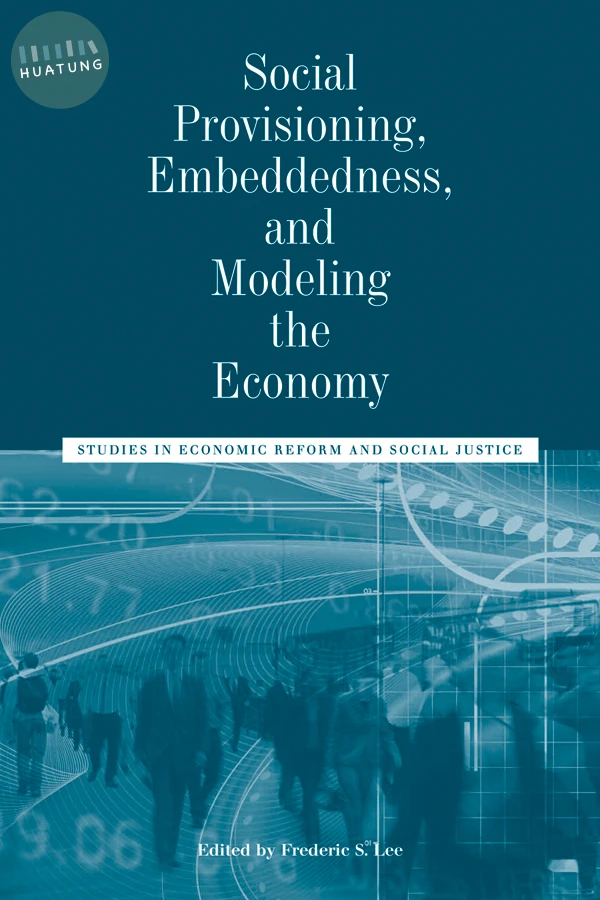
Social Provisioning, Embeddedness, and Modeling the Economy
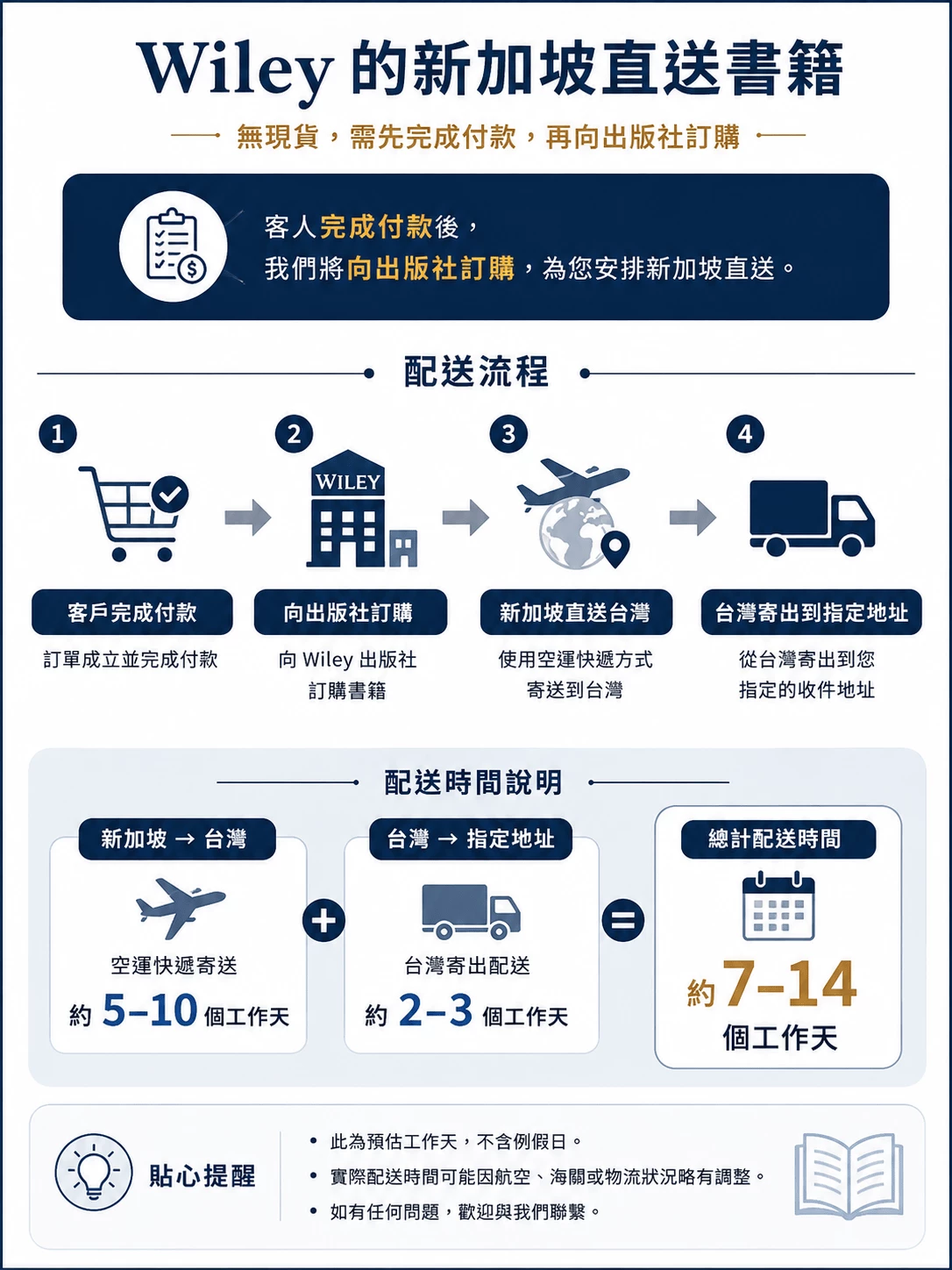
$4205元可訂購
簡介
This book consists of nine essays that model the economy considerably differently to mainstream economics.
Contributes to the development of a model of a socially embedded economy, taking an alternative approach to mainstream economics
Builds on a non-mainstream definition of economics as being concerned with social provisioning: a process in which all economic activities are social activities, informed by social norms, institutions, and ideologies
Integrates different theories of economic modelling, including the social surplus approach, social fabric matrix, social accounting matrix, social structures of accumulation, stock-flow consistent modelling, and structure-agency
Reviews the introduction of state money (and hence the financial sector) into an input-output model – a somewhat new innovation in modelling the economy
目錄
Editors’ Introduction—Frederic S. Lee 1. Social Provisioning Process and Socio-Economic Modeling—Tae-Hee Jo
2. A Simple Economic Model of the Surplus Approach to Value and Distribution—Scott Carter
3. Demand, Structural Interdependence and Economic Provisioning—Gary Mongiovi
4. Modeling the Economic Surplus in a SAM Framework—Erik K. Olsen
5. Integrating the Social Structure of Accumulation and Social Accounting Matrix with the Social Fabric Matrix—F. Gregory Hayden
6. Social Structures of Accumulation: A “Punctuated” View of Embeddedness—Terrance McDonough
7. Comparing Pension Systems in the Circular Flow of Income—Andrew B. Trigg and Jonquil T. Lowe
8. Modeling the Economy as a Whole: An Integrative Approach—Frederic S. Lee