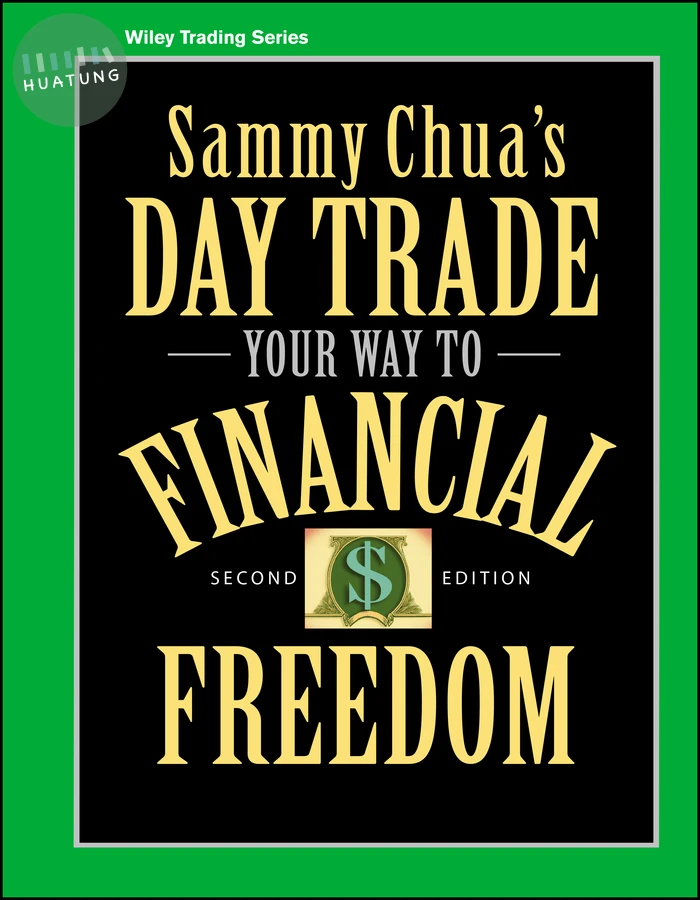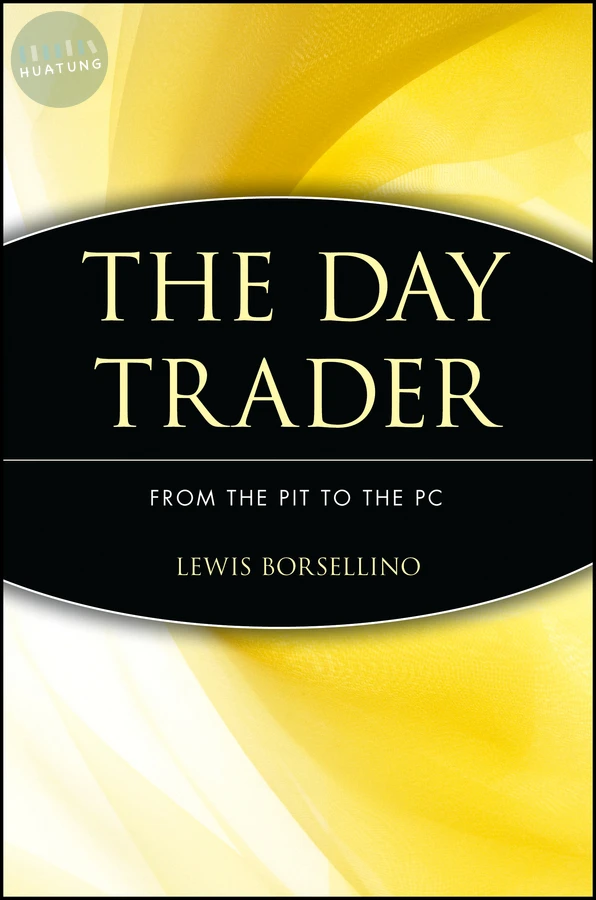

Day Trade Online
$872元 定價: $969 9折 可訂購
簡介
Plan For Your Organization's Success Linkage's Best Practices for Succession Planning provides the ultimate guide for planning, developing, implementing, and sustaining succession planning in any organization. This must-have book provides step-by-step instructions, practical advice, templates, and tools from some of the world's best companies and Linkage, a global organization development company that specializes in leadership development. Linkage Inc.'s Best Practices for Succession Planning is the comprehensive resource that includes information needed to Ensure that succession management is owned by business leaders rather than just HR
Assess potential for future roles, not just track record of performance
Manage succession data on individuals and talent pools
Balance talent development and acquisition in achieving future objectives
Develop the processes, tools, and organizational capabilities necessary to effectively implement and sustain the system
Integrate succession planning systems with other businesses and HR systems in the organization to achieve efficiency, consistency, and impact
目錄
Preface xiii
Acknowledgments xix
Introduction 1
Section I The World of the Day Trader 5
Chapter 1. Exploiting the Excesses of Capitalism 7
The House Edge 9
The Bid-Ask Spread 11
Section II Introduction to Day Trading 17
Chapter 2. Trading 101: Buying on Bad News and Selling on Good News 19
The Mind-set of an Online Day Trader 19
A Buyer When the Market Needs Buyers 20
Hit Singles, Not Home Runs 20
Brokerage Commissions Can Destroy Profits 21
Buy in on Fear, Sell in on Greed 22
The Slow Execution 23
Is the NYSE an Easier Market to Trade? 24
Section III How to Beat Wall Street at Its Own Game 25
Chapter 3. Exploiting Wall Street’s Conflict of Interest: Market Orders versus Limit Orders 27
Understanding Wall Street’s Conflict of Interest 27
Price Makers versus Price Takers 29
The Bargaining Process 30
Price Negotiation—Market versus Limit Orders 32
Wall Street’s Prey 34
Prelude to the Bid-Ask Spread 35
Chapter 4. The Day Trader’s Crystal Ball: Understanding the Bid-Ask Spread 37
A Snapshot of a Moving Picture 37
The Mechanics of Price Movement—Understanding What Makes a Stock Move Higher 39
Example 1: The Quote—Snapshot of a Moving Picture 41
Example 2: The Market Order to Sell—Hitting the Bid 46
Example 3: The Market Order to Buy—Lifting the Offer 48
Example 4: The Limit Order to Buy—Bidding for Stock 50
Day Orders versus Good-until-Canceled (GTC) Orders 52
Example 5: The Limit Order to Sell—Offering Stock 54
Haggling Over Nickels and Dimes 56
Example 6: Moving the Stock Higher 57
Chapter 5. The Role of the Specialist on the New York Stock Exchange 61
Using the Specialist System to Your Advantage 64
What If There Were No NYSE Specialist? 66
Buyer of Last Resort 67
Is the Profit the Specialist Makes Justified? 68
A License to Steal? 68
The Specialist’s Limit Order Book 69
Being on Both Sides of the Market 71
Narrowing the Bid-Ask Spread 72
Wide Spreads Protect the Specialist from Volatility 73
Handling a Large Sell Order 74
The Real Intentions of the Specialists 77
Beware When the Specialist Takes the Other Side of Your Trade 77
The Day Trader as a Shadow Specialist 78
The NYSE’s Fair Order Handling Rules 80
Never Reveal Your Hand 85
How Can You Determine Where the Specialist Lurks in the Stock? 85
Jockeying for Position 87
How Do You Know Where You Stand in Line? 89
When in Doubt, Ask the NYSE Floor 89
Tipping the Odds in Your Favor 92
Beware of the Specialist 93
Section IV Introduction to Scalping The NYSE: Taking Food Out of the Specialist’s Mouth 95
Chapter 6. The Day Trader’s Secret Weapon: Exploiting the Bid-Ask Spread 97
How Can You Make Money Trading Stocks that Don’t Move? 98
The Role of the Scalper 99
Hit Singles, Not Home Runs 100
Operating under the Radar 100
Avoiding the Glamour Stocks 102
Exploiting the Bid-Ask Spread 103
Finding the Trade’s Sweet Spot 103
Simplifying a Complex Process 104
Other Moving Parts to This Trade 105
A Bet with the House? 109
Too Much Work for Only $100 in Gross Profits? 110
A Few Words on Risk 110
Section V Trading The Market’s Momentum: How to Profit from Volatility 113
Chapter 7. Exploiting Market Volatility and Momentum: Strategies for Trading Volatile Stocks 115
The Specialist and the Upper Hand 116
Playing the Gap Open—A Strategy for Betting with the House 117
Buying on Bad News 118
Betting on the Specialist 119
Parameters of the Gap-Opening Trade 122
How to Tell If the Opening Trade Will “Clear” the Specialist’s Limit Order Book 124
Selling before the Second Wave 125
Trading Tick for Tick with the Market Indexes 127
Why Limit Orders Don’t Work in a Rally 127
Using the S&P Futures to Gauge the Sustainability of a Rally 129
Lightning-Fast Market Upsurge: How Offers Vanish in the Vapor Trail 129
Stock for Sale Becoming Scarce 130
Nasdaq and the Role of the Market Makers 131
A Few Words on Short Selling 135
Two Methods for Day Trading Nasdaq Stocks 136
The Apple Computer Trade 139
Buying Strong Stocks on Pullbacks 140
Opening the Stock Abnormally High 141
The Dangers of Buying a Strong Stock on the Opening Trade 141
Inflicting Heavy Damage on the Market Makers by Attacking Their Vulnerability 142
Chapter 8. The Day Trader’s Ticket to the Poorhouse: How I Managed to Lose $12,000 in Less than 24 Hours 145
The Pain of Missing a Trade 147
How Could the Stock Go Any Lower? 147
The Terrifying Feeling of Getting Caught in a Downdraft 148
A Feeling of Irresistible Greed 148
The Need to Break Even 150
Buying the Stock for the Third Time 151
Feeling of Devastation Leads to Useful Insights 152
Learning from the Mistake and Moving On 156
Can the Quoted Market Always Be Trusted? 156
A Fool and His Money Are Soon Parted 159
Appendix A.
The Day Trader’s Arsenal: Online Brokers, Trade Commissions, Real-Time Quote Systems, and the Home Office 161
Choosing an Online Broker 161
Negotiate the Best Possible Commission Rate 163
Make Sure that the Broker Can Route Directly to the NYSE 163
Per-Share versus Per-Trade Commission Rates 164
Setting up at Least Two Accounts 164
System Crashes and the Late Fill 165
Customer Service, Back-Office Problems, and Trade Discrepancies 167
The Remedy—Keep Good Trading Records 167
The Home Office and the Virtual Trading Floor 169
Appendix B.
Considerations for Trading for a Living: The Allocation of Trading Capital, the Pattern Day Trader Rule, Using Margin and Trading Part-Time vs. Full-Time 173
Allocation of Trading Capital 174
The Pattern Day Trader Rule 177
Trading on Margin 177
Margin Calls 178
Part-Time versus Full-Time Trading 179
Index 183