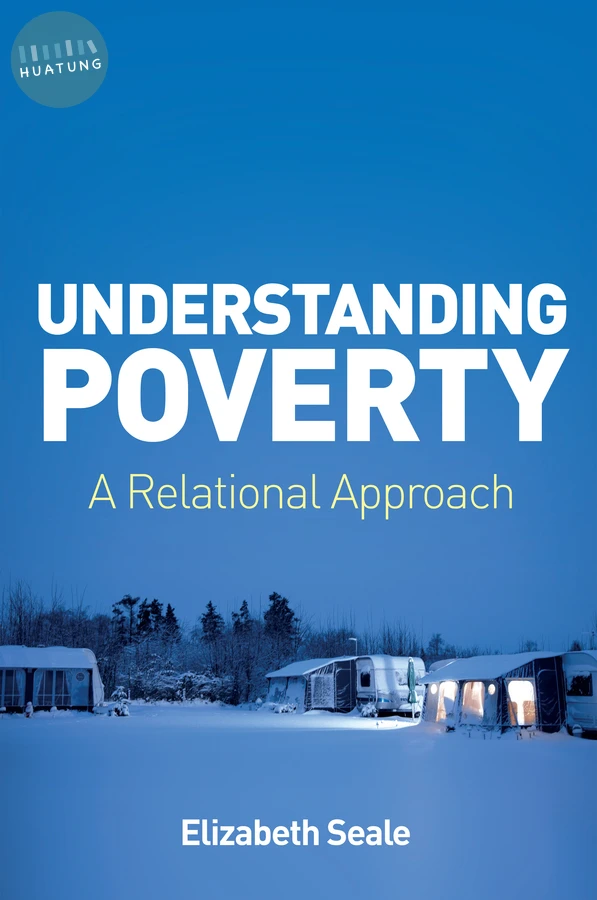
Understanding Poverty
$718元 定價: $798 9折 可訂購
簡介
People in poverty suffer daily under misconceptions about economic hardship and its causes. Providing the most comprehensive consideration to date of poverty in the United States, Elizabeth Seale tackles how we think about issues of culture, behavior, and poverty, cutting straight to the heart of debates about social class. The book addresses tough questions, including how being poor affects individual behavior, and how we can make sense of that in a larger social and political context. The central premise is that to understand the behavior and lives of people in poverty, one must consider their relational context, especially relations of vulnerability and the human need for dignity. Poverty is a social problem we should address as a society by changing social relations that, as a matter of course, cause unnecessary and immense suffering. To do so, we must directly confront our lack of regard for people in poverty by recognizing that they are in fact worthy of an effort to induce major social change.
This critical introduction to poverty will be an important read for undergraduate students and above in sociology wanting to learn more about the growing social problems of poverty, inequality, and stratification.
目錄
1. On Understanding
Poverty in the U.S.
My Research Experience
How We Think and Talk about Poverty
A Relational Approach
What a Relational Approach Contributes
Relations of Vulnerability and the Desire for Dignity
Aims and Overview of the Book
2. Who Are the Poor?
Defining and Measuring Poverty
Mobility
Diversity
Similarity to and Difference from the Nonpoor
Conclusion
3. Family and Parenting
Single Mother Households
Young Moms
Child Maltreatment
Conclusion
4. Culture
Historical Context
Culture of Poverty and Policy
Problems with the Culture of Poverty Arguments
Contemporary Research on Culture and Poverty
A Culture of Dependency or a Culture of Blame?
Conclusion
5. Structure and Social Relations
How Structure Creates Poverty
Social Policy: Punishing the Poor
The Limits of Structuralism
A Relational Approach
6. Opportunity and Personal Autonomy
Going to College
Finding (Better) Employment
General Autonomy
Conclusion
7. Vulnerability and Dignity
The Relations of Poverty
Changing Our Thinking about Poverty
The Significance of a Relational Approach
Conclusion