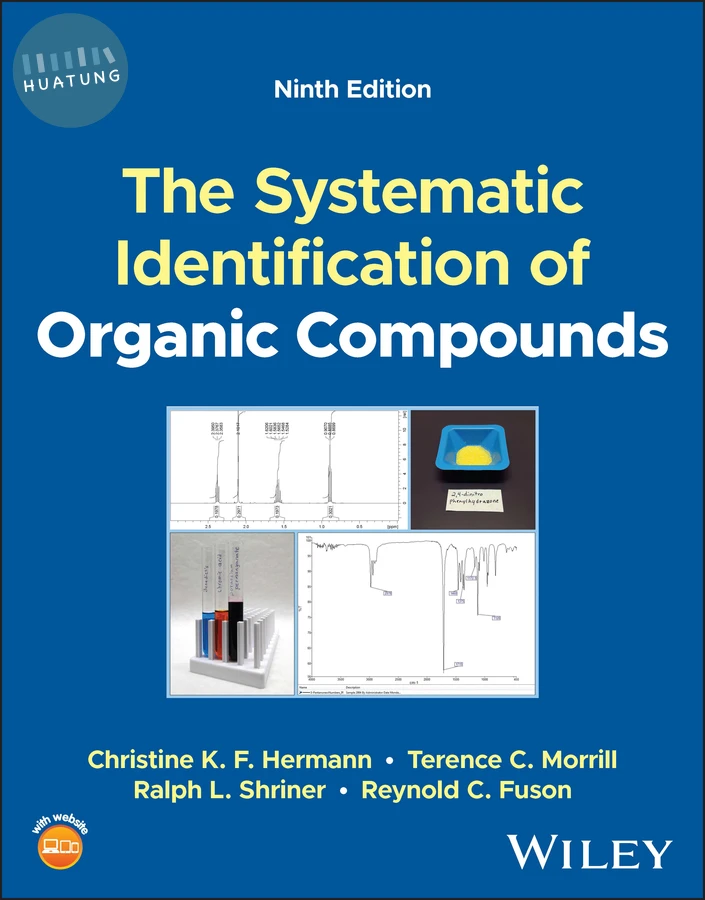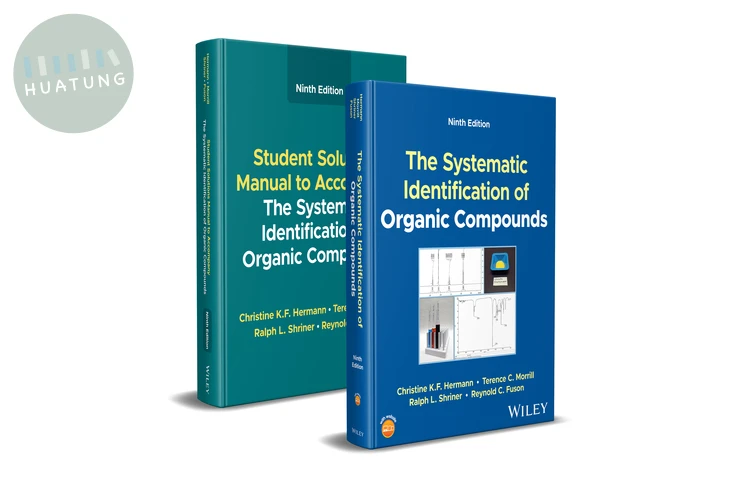

The Systematic Identification of Organic Compounds, Set
$5695元可訂購
簡介
The Systematic Identification of Organic Compounds
A comprehensive introduction to the identification of unknown organic compounds
Identifying unknown compounds is one of the most important parts of the study of chemistry. From basic characteristics such as melting and/or boiling point to more complex data generated through cutting-edge techniques, the range of possible methods for identifying unknown organic compounds is substantial. The utility of a research reference which compiles known techniques and characteristics of possible compounds is clear.
The Systematic Identification of Organic Compounds provides such a reference, designed to teach a hands-on approach in the chemistry lab. It takes readers step-by-step through the process of identifying an unknown compound and elucidating its structure from infrared, nuclear magnetic resonance, and mass spectra in addition to solubility characteristics, melting point, boiling point, and classification tests. The result is an essential overview for advanced chemistry students looking to understand this exciting area of laboratory work.
Readers of the ninth edition of The Systematic Identification of Organic Compounds will also find:
A detailed chapter on safety, personal protection equipment, chemical storage, safety data sheets, and other safety concerns
New NMR, IR, and mass spectra with detailed explanations on interpretation
Questions at the end of each chapter designed to facilitate and reinforce progression, keyed to a companion website for instructors
Tables of known compounds including data relevant for identification
Companion website with structural problems from experimental data for students to practice how to reason and solve
The Systematic Identification of Organic Compounds is a useful reference for advanced undergraduates and graduate students studying organic chemistry, organic spectroscopy, and related subjects.
目錄
Preface About the Companion Website
Chapter 1: Introduction
1.1 SYSTEMATIC IDENTIFICATION OF ORGANIC COMPOUNDS: THE NEED FOR ORGANIC QUALITATIVE ANALYSIS
1.2 SUGGESTIONS TO STUDENTS AND INSTRUCTORS
Chapter 2: Laboratory Safety
2.1 WORKING SAFELY IN THE LABORATORY
2.2 TRAINING
2.3 PERSONAL PROTECTION EQUIPMENT
2.4 SAFETY DATA SHEETS
2.5 STORAGE OF CHEMICALS
2.6 DISPOSAL OF CHEMICALS
2.7 SAFELY USING EQUIPMENT IN THE LABORATORY
Chapter 3: Identification of Unknowns
3.1 DISCUSSION OF REPORT FORM
3.2 PRELIMINARY EXAMINATION
3.3 PHYSICAL PROPERTIES
3.4 MOLECULAR WEIGHT DETERMINATION
3.5 MOLECULAR FORMULA DETERMINATION
3.6 SOLUBILITY TESTS
3.7 INFRARED, NUCLEAR MAGNETIC RESONANCE, AND MASS SPECTRA ANALYSES
3.8 CLASSIFICATION TESTS
3.9 PREPARATION OF A SATISFACTORY DERIVATIVE
3.10 MIXTURES
3.11 REPORT FORMS
Chapter 4: Preliminary Examination, Physical Properties, and Elemental Analysis
4.1 PRELIMINARY EXAMINATION
4.2 DETERMINATION OF PHYSICAL PROPERTIES
4.3 OPTICAL ROTATION
4.4 RECRYSTALLIZATION
4.5 QUALITATIVE ELEMENTAL ANALYSIS
4.6 QUANTITATIVE ELEMENTAL ANALYSIS
Chapter 5: Classification of Organic Compounds by Solubility
5.1 SOLUBILITY IN WATER, AQUEOUS ACIDS AND BASES, AND ETHER
5.2 SOLUBILITY IN ORGANIC SOLVENTS
Chapter 6: Separation of Mixtures
6.1 PRELIMINARY EXAMINATIONS OF MIXTURES
6.2 DISTILLATION AND SUBLIMATION
6.3 EXTRACTIONS: SEPARATIONS BASED UPON SALT FORMATION
6.4 CHROMATOGRAPHY
Chapter 7: Nuclear Magnetic Resonance Spectrometry
7.1 THEORY OF NUCLEAR MAGNETIC RESONANCE
7.2 PREPARATION OF THE SAMPLE
7.3 PROTON SPECTRA
7.4 13C SPECTRA
7.5 DEPT
7.6 COSY
7.7 HSQC
Chapter 8: Infrared Spectrometry
8.1 THEORY OF INFRARED SPECTROMETRY
8.2 PREPARATION OF THE SAMPLE
8.3 FUNCTIONAL GROUP IDENTIFICATION
Chapter 9: Mass Spectrometry
9.1 THEORY OF MASS SPECTROMETRY
9.2 CLEAVAGE REACTIONS
Chapter 10: Chemical Tests for Functional Groups
10.1 ACID ANHYDRIDES
10.2 ACYL HALIDES
10.3 ALCOHOLS
10.4 ALDEHYDES
10.5 AMIDES
10.6 AMINES AND AMINE SALTS
10.7 AMINO ACIDS
10.8 CARBOHYDRATES
10.9 CARBOXYLIC ACIDS
10.10 ESTERS
10.11 ETHERS
10.12 HALIDES
10.13 HYDROCARBONS—ALKANES
10.14 HYDROCARBONS—ALKENES
10.15 HYDROCARBONS—ALKYNES
10.16 HYDROCARBONS—AROMATIC
10.17 KETONES
10.18 NITRILES
10.19 NITRO COMPOUNDS
10.20 PHENOLS
10.21 SULFONAMIDES, SULFONIC ACIDS, SULFONYL CHLORIDES
Chapter 11: The Preparation of Derivatives
11.1 CARBOXYLIC ACIDS, ACID ANHYDRIDES, ACID HALIDES
11.2 ALCOHOLS
11.3 ALDEHYDES AND KETONES
11.4 AMIDES
11.5 AMINES
11.6 AMINO ACIDS
11.7 CARBOHYDRATES
11.8 ESTERS
11.9 ETHERS—ALIPHATIC
11.10 ETHERS—AROMATIC
11.11 HALIDES—ALKYL
11.12 HALIDES—AROMATIC
11.13 HYDROCARBONS—AROMATIC
11.14 NITRILES
11.15 NITRO COMPOUNDS
11.16 PHENOLS
11.17 SULFONIC ACIDS, SULFONYL CHLORIDES, SULFONAMIDES
Chapter 12: Chemical Literature
12.1 HANDBOOKS
12.2 COMPENDIA
12.3 SPECTRAL COLLECTIONS
12.4 JOURNALS
12.5 ABSTRACTS AND INDEXES
12.6 MONOGRAPHS
Appendix I: Handy Tables for the Organic Laboratory
Appendix II: Table of Derivatives
Appendix III: Equipment and Chemicals for the Laboratory
AIII.1 APPARATUS
AIII.2 CHEMICALS NEEDED IN THE LABORATORY
AIII.3 UNKNOWNS
Index