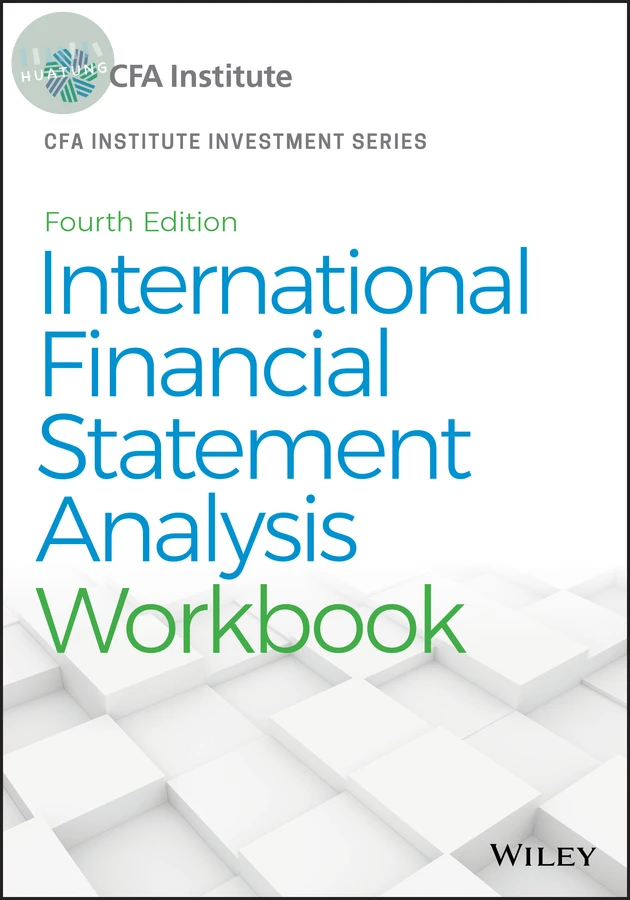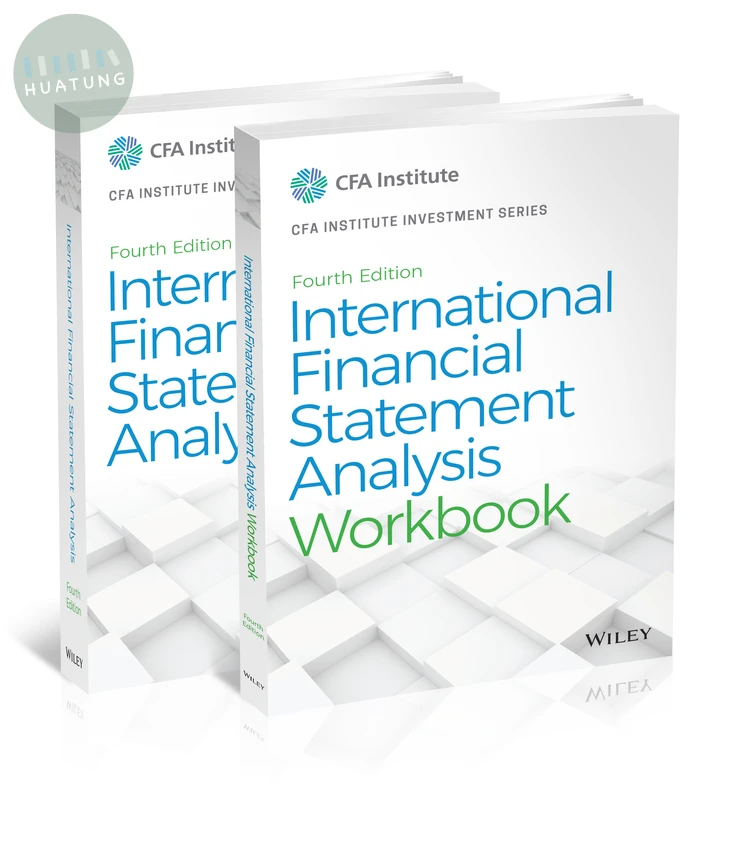

International Financial Statement Analysis, 4e Set
$4379元 定價: $4865 9折 可訂購
簡介
Learn to understand the financial statements of companies regardless of their country of origin
The newly revised Fourth Edition of International Financial Statement Analysis delivers a thorough and up-to-date resource for anyone required to comprehensively assess company performance and financial position based on financial statements, regardless of country of origin.
Part of the prestigious CFA Institute Investment Series, the seasoned professionals at the CFA Institute offer you a rich and clear reference covering every aspect of financial analysis, from financial reporting mechanics to understanding income and balance sheets. You'll learn about:
The complete statement analysis process
Information on income tax accounting and employee compensation
The impact of foreign exchange rates on the statements of multinational corporations
Perfect for chartered financial analysts required to analyze the financial statements of companies in multiple countries, International Financial Statement Analysis is also an invaluable resource for students in finance and business seeking a one-stop, authoritative reference on international financial statements.
目錄
International Financial Statement Analysis TOC:
Preface xv
Acknowledgments xvii
About the CFA Institute Investment Series xix
Chapter 1 Introduction to Financial Statement Analysis 1
Learning Outcomes 1
1. Introduction 1
2. Roles of Financial Reporting and Financial Statement Analysis 2
3. Primary Financial Statements and Other Information Sources 8
4. Financial Statement Analysis Framework 28
5. Summary 32
References 34
Practice Problems 34
Chapter 2 Financial Reporting Standards 37
Learning Outcomes 37
1. Introduction 37
2. The Objective of Financial Reporting 38
3. Standard-Setting Bodies and Regulatory Authorities 39
4. The International Financial Reporting Standards Framework 46
5. Comparison of IFRS with Alternative Reporting Systems 53
6. Monitoring Developments in Financial Reporting Standards 55
7. Summary 57
Practice Problems 58
Chapter 3 Understanding Income Statements 61
Learning Outcomes 61
1. Introduction 62
2. Components and Format of the Income Statement 62
3. Revenue Recognition 68
4. Expense Recognition 73
5. Non-Recurring Items and Non-Operating Items 84
6. Earnings per Share 90
7. Analysis of the Income Statement 99
8. Comprehensive Income 103
9. Summary 106
Practice Problems 108
Chapter 4 Understanding Balance Sheets 113
Learning Outcomes 113
1. Introduction 113
2. Components and Format of the Balance Sheet 114
3. Current Assets and Current Liabilities 118
4. Non-Current Assets 127
5. Non-Current Liabilities 139
6. Equity 141
7. Analysis of the Balance Sheet 145
8. Summary 156
Practice Problems 158
Chapter 5 Understanding Cash Flow Statements 163
Learning Outcomes 163
1. Introduction 163
2. Components and Format of the Cash Flow Statement 164
3. The Cash Flow Statement: Linkages and Preparation 177
4. Cash Flow Statement Analysis 192
5. Summary 205
Practice Problems 206
Chapter 6 Financial Analysis Techniques 213
Learning Outcomes 213
1. Introduction 213
2. The Financial Analysis Process 214
3. Analytical Tools and Techniques 218
4. Common Ratios Used in Financial Analysis 234
5. Equity Analysis 262
6. Credit Analysis 268
7. Business and Geographic Segments 270
8. Model Building and Forecasting 274
9. Summary 275
References 275
Practice Problems 276
Chapter 7 Inventories 283
Learning Outcomes 283
1. Introduction 283
2. Cost of Inventories 285
3. Inventory Valuation Methods 286
4. The LIFO Method 295
5. Inventory Method Changes 303
6. Inventory Adjustments 304
7. Evaluation of Inventory Management 311
8. Summary 323
Practice Problems 325
Chapter 8 Long-Lived Assets 339
Learning Outcomes 339
1. Introduction 340
2. Acquisition of Long-Lived Assets 340
3. Depreciation and Amortization of Long-Lived Assets 359
4. The Revaluation Model 369
5. Impairment of Assets 373
6. Derecognition 376
7. Presentation and Disclosures 379
8. Investment Property 389
9. Summary 393
Practice Problems 395
Chapter 9 Income Taxes 407
Learning Outcomes 407
1. Introduction 408
2. Differences between Accounting Profit and Taxable Income 408
3. Determining the Tax Base of Assets and Liabilities 413
4. Temporary and Permanent Differences Between Taxable and Accounting Profit 418
5. Unused Tax Losses and Tax Credits 423
6. Recognition and Measurement of Current and Deferred Tax 424
7. Presentation and Disclosure 428
8. Comparison of IFRS and US GAAP 433
9. Summary 436
Practice Problems 437
Chapter 10 Non-Current (Long-Term) Liabilities 443
Learning Outcomes 443
1. Introduction 443
2. Bonds Payable 444
3. Leases 464
4. Introduction to Pensions and Other Post- Employment Benefits 468
5. Evaluating Solvency: Leverage and Coverage Ratios 472
6. Summary 475
Practice Problems 477
Chapter 11 Financial Reporting Quality 483
Learning Outcomes 483
1. Introduction 484
2. Conceptual Overview 484
3. Context for Assessing Financial Reporting Quality 501
4. Detection of Financial Reporting Quality Issues 510
5. Summary 538
References 539
Practice Problems 540
Chapter 12 Applications of Financial Statement Analysis 545
Learning Outcomes 545
1. Introduction 545
2. Application: Evaluating Past Financial Performance 546
3. Application: Projecting Future Financial Performance 550
4. Application: Assessing Credit Risk 559
5. Application: Screening for Potential Equity Investments 561
6. Analyst Adjustments to Reported Financials 565
7. Summary 573
References 574
Practice Problems 574
Chapter 13 Intercorporate Investments 577
Learning Outcomes 577
1. Introduction 577
2. Basic Corporate Investment Categories 578
3. Investments in Financial Assets: IFRS 9 579
4. Investments in Associates and Joint Ventures 583
5. Business Combinations 595
6. Summary 614
Practice Problems 615
Chapter 14 Employee Compensation: Post-Employment and Share-Based 627
Learning Outcomes 627
1. Introduction 627
2. Pensions and Other Post-Employment Benefits 628
3. Share-Based Compensation 656
4. Summary 662
Reference 663
Practice Problems 663
Chapter 15 Multinational Operations 673
Learning Outcomes 673
1. Introduction 674
2. Foreign Currency Transactions 675
3. Translation of Foreign Currency Financial Statements 688
4. Multinational Operations and a Company’s Effective Tax Rate 727
5. Additional Disclosures on the Effects of Foreign Currency 730
6. Summary 734
Practice Problems 736
Chapter 16 Analysis of Financial Institutions 749
Learning Outcomes 749
1. Introduction 749
2. What Makes Financial Institutions Different? 750
3. Analyzing a Bank 756
4. Analyzing an Insurance Company 800
5. Summary 816
Practice Problems 817
Chapter 17 Evaluating Quality of Financial Reports 825
Learning Outcomes 825
1. Introduction 825
2. Quality of Financial Reports 827
3. Evaluating the Quality of Financial Reports 840
4. Earnings Quality 845
5. Cash Flow Quality 867
6. Balance Sheet Quality 876
7. Sources of Information about Risk 880
8. Summary 892
References 894
Practice Problems 896
Chapter 18 Integration of Financial Statement Analysis Techniques 901
Learning Outcomes 901
1. Introduction 901
2. Case Study: Long-Term Equity Investment 903
3. Summary 933
Practice Problems 933
Glossary 937
About the Editors 947
About the CFA Program 949
Index 951
International Financial Statement Analysis SOLUTIONS TOC:
Part I Learning Objectives, Summary Overview, and Problems 1
Chapter 1 Introduction to Financial Statement Analysis 3
Learning Outcomes 3
Summary Overview 3
Problems 5
Chapter 2 Financial Reporting Standards 9
Learning Outcomes 9
Summary Overview 9
Problems 10
Chapter 3 Understanding Income Statements 13
Learning Outcomes 13
Summary Overview 14
Problems 15
Chapter 4 Understanding Balance Sheets 21
Learning Outcomes 21
Summary Overview 21
Problems 23
Chapter 5 Understanding Cash Flow Statements 29
Learning Outcomes 29
Summary Overview 29
Problems 30
Chapter 6 Financial Analysis Techniques 37
Learning Outcomes 37
Summary Overview 37
Problems 38
Chapter 7 Inventories 45
Learning Outcomes 45
Summary Overview 45
Problems 47
Chapter 8 Long-Lived Assets 63
Learning Outcomes 63
Summary Overview 64
Problems 65
Chapter 9 Income Taxes 77
Learning Outcomes 77
Summary Overview 77
Problems 78
Chapter 10 Non-Current (Long-Term) Liabilities 83
Learning Outcomes 83
Summary Overview 83
Problems 85
Chapter 11 Financial Reporting Quality 91
Learning Outcomes 91
Summary Overview 91
Problems 93
Chapter 12 Applications of Financial Statement Analysis 97
Learning Outcomes 97
Summary Overview 97
Problems 98
Chapter 13 Intercorporate Investments 101
Learning Outcomes 101
Summary Overview 101
Problems 102
Chapter 14 Employee Compensation: Post-Employment and Share-Based 113
Learning Outcomes 113
Summary Overview 113
Problems 115
Chapter 15 Multinational Operations 125
Learning Outcomes 125
Summary Overview 125
Problems 127
Chapter 16 Analysis of Financial Institutions 139
Learning Outcomes 139
Summary Overview 139
Problems 140
Chapter 17 Evaluating Quality of Financial Reports 149
Learning Outcomes 149
Summary Overview 149
Problems 151
Chapter 18 Integration of Financial Statement Analysis Techniques 157
Learning Outcomes 157
Summary Overview 157
Problems 158
Part II Solutions 161
Chapter 1 Introduction to Financial Statement Analysis 163
Solutions 163
Chapter 2 Financial Reporting Standards 165
Solutions 165
Chapter 3 Understanding Income Statements 167
Solutions 167
Chapter 4 Understanding Balance Sheets 171
Solutions 171
Chapter 5 Understanding Cash Flow Statements 175
Solutions 175
Chapter 6 Financial Analysis Techniques 179
Solutions 179
Chapter 7 Inventories 183
Solutions 183
Chapter 8 Long-Lived Assets 191
Solutions 191
Chapter 9 Income Taxes 197
Solutions 197
Chapter 10 Non-Current (Long-Term) Liabilities 199
Solutions 199
Chapter 11 Financial Reporting Quality 207
Solutions 207
Chapter 12 Applications of Financial Statement Analysis 211
Solutions 211
Chapter 13 Intercorporate Investments 213
Solutions 213
Chapter 14 Employee Compensation: Post-Employment and Share-Based 219
Solutions 219
Chapter 15 Multinational Operations 225
Solutions 225
Chapter 16 Analysis of Financial Institutions 233
Solutions 233
Chapter 17 Evaluating Quality of Financial Reports 241
Solutions 241
Chapter 18 Integration of Financial Statement Analysis Techniques 245
Solutions 245
About the CFA Program 247