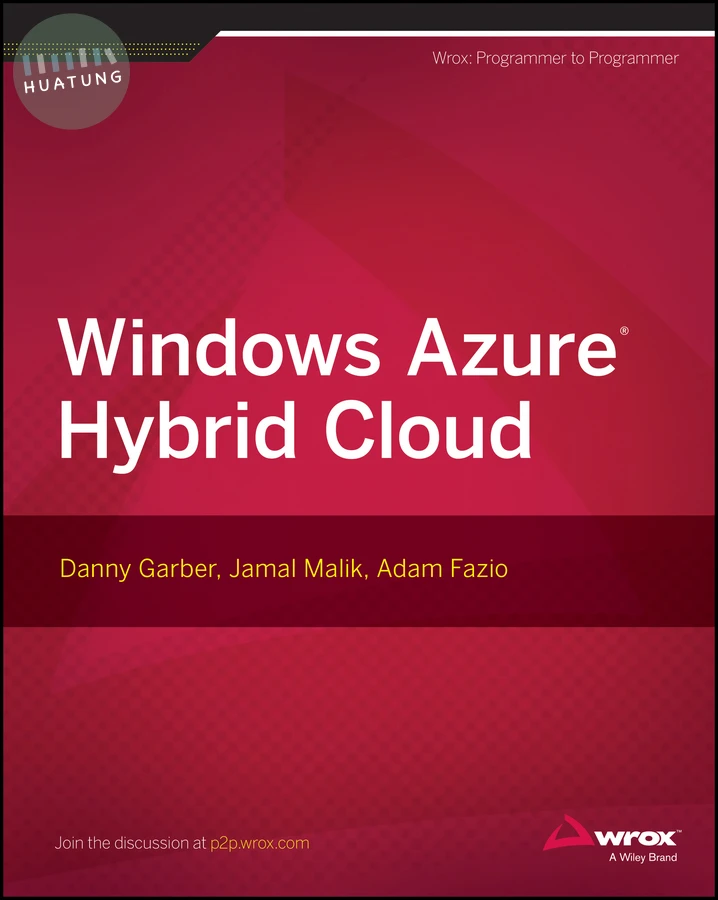
Windows Azure Hybrid Cloud
$662元 定價: $736 9折 可訂購
簡介
An essential resource for implementing and managing a cloud infrastructure in Azure
Serving as a critical resource for anyone responsible for strategizing, architecting, implementing or managing a cloud infrastructure, this book helps you understand what is hybrid IT and how it's applicable (and inevitable) in today's world of emerging cloud. The team of authors focus on the Microsoft concept of a private/public cloud, deploying a private cloud fabric, deploying services, and building a private cloud, as well as integrating it with Microsoft's public cloud to create a cross-premises or public cloud.
Looks at why hybrid IT is important to a business and what benefits a business can expect by adopting hybrid cloud
Examines a cloud management platform and discusses why it is necessary
Walks you through the different kinds of solutions for IT problems that may arise
Places a focus on considerations for ensuring resiliency, availability, and scalability when designing hybrid solutions to prevent system failure and data loss
Covers optimizing the performance of the hybrid cloud as well as using tools that help you monitor and manage the performance of the hybrid cloud
Windows Azure Hybrid Cloud helps you gain a better understanding of the hybrid IT environments, why those clouds should be implemented, and how they impact business.
目錄
INTRODUCTION xiii CHAPTER 1: WHAT IS HYBRID IT? 1
The Thing They Call the “Cloud” 1
Cloud Service Models 2
Infrastructure-as-a-Service — The Leasing Option 3
Platform-as-a-Service — The Rental Option 4
Software-as-a-Service — The Public Transportation Option 5
What Are the Trends That You Should Watch? 7
Trends towards IaaS 8
Trends towards SaaS 9
What Are the Characteristics of a Cloud? 10
Broad Network Access 11
Resource Pooling 12
(Rapid) Elasticity 14
Chargeback (Measured Service) 17
Self-Service 19
Private Clouds 20
Hybrid Cloud 23
Hybrid Cloud Scenarios 23
Motivation and Issues behind Hybrid Cloud 27
Summary 29
CHAPTER 2: WHY IS THE HYBRID CLOUD IMPORTANT TO MY BUSINESS? 30
Everyone Else Is Doing It 31
Cutting Costs for the Short Term 33
Outsourcing Data Security Responsibilities 34
A Case for Hybrid Cloud 36
Diff erentiating Yourself from the Competition 36
Enhancing Strategic Position (Reducing
Nonperforming Assets) 38
Easing Mergers and Acquisitions 40
Summary 42
CHAPTER 3: PROJECT PLANNING 43
Envisioning and Scoping 44
Gathering Business Objectives 44
Mapping Technical Solutions to Business Objectives (Building Business Requirements) 53
Formulating Technical Requirements 53
Discovery and Assessment 54
What Is the Desired End State? 55
Prioritizing Your Objectives 56
Building the Solution 57
Organizational Changes 58
Deployment Planning 61
Gaining Executive-Level Sponsorship 63
Augmenting/Modifying Business Processes 71
Formulating the Vision and Scope Document 73
Summary 76
CHAPTER 4: WHAT YOU NEED TO KNOW ABOUT WINDOWS AZURE AS A PLATFORM 78
Execution Models 78
Websites 79
Cloud Services 81
Virtual Machines 83
Choosing the Right Execution Model 85
Data Management 85
SQL Database 86
Storage: Tables, Blobs, and Queues 87
CDN 90
Big Data 91
Messaging and Integration Components 93
Service Bus 93
Virtual Network 95
Traffi c Manager 101
BizTalk Services 101
Media Services 101
Mobile Services 103
Supporting Services 105
Caching 105
Identity Management 107
Software Development Kits 110
Summary 110
CHAPTER 5: PRIVATE CLOUD COMPONENTS AND SERVICES THAT HELP TO BUILD HYBRID CLOUDS 112
The Cloud Management Platform 113
Self-Service 114
Service Delivery 117
Process Orchestration 119
Management and Operations 119
Automation 121
Integrating System Center and Windows Azure 122
Application Self-Service across Clouds 122
Cloud Management and Operations 125
Networking 128
Virtual Networks 129
Identity Management 131
Summary 133
CHAPTER 6: HYBRID OPTIONS IN WINDOWS AZURE 134
On-Premises Service Integrated
with Cloud Service 135
Using Windows Azure Service Bus 136
Using Windows Azure Virtual Network 137
Cloud Service Integrated with
On-Premises Service 137
On-Premises Application Integrated with Low-Cost Windows Azure Storage 138
Cloud Service Integrated with Confidential Data Storage 139
Cloud Bursting, or Batching at Scale 140
Development and Test Cloud Infrastructure 141
Windows Azure as a Disaster Recovery (DR) Site 143
Service Bus as an Integration Hub 144
Enabling Modern Applications 145
Virtual Desktops in Windows Azure 146
Summary 146
CHAPTER 7: DESIGNING FOR RESILIENCY AND SCALABILITY 148
Building Resilient Solutions 149
Fault Domains 149
Upgrade Domains 149
Private Cloud Fault and Upgrade Domain Considerations 151
What Does High Availability Really Mean? 153
Resiliency Patterns and Considerations 154
Designing for Business Continuity 158
Infrastructure Redundancy 158
Data Durability and Backup 159
Geo-Replication 160
Planning Hybrid Cloud Site Disaster Recovery 160
Redeploy on Disaster 161
Active/Passive Deployment 161
Active/Active Deployment 162
Designing Scalable Hybrid Cloud Solutions 162
Scale-Out, Not Scale-Up 163
Scaling-Out through Scale Units 163
Compress Density of Scale 164
Summary 165
CHAPTER 8: OPTIMIZING FOR PERFORMANCE 166
Cloud Application Performance Fundamentals 167
Storage Types and Data Location 168
Optimizing Network Throughput and Latency 170
Affi nity Groups 172
Summary 174
CHAPTER 9: MONITORING AND MANAGEMENT FOR SUCCESSFUL OPERATIONS 175
Change Is the New Normal 175
Monitoring the Hybrid Cloud 176
Unified Monitoring 177
Scenarios and Use Cases for Monitoring 178
Integration of Operations Manager and Service Manager 180
Unified Management 181
Orchestration Considerations 181
Service Management Considerations 182
Systems Management Considerations 182
Summary 183
CHAPTER 10: FINAL HYBRID CLOUD CONSIDERATIONS 185
How Do I Execute My Hybrid Cloud Initiative? 186
Analyzing Skill Sets 186
Moving toward a Converged Infrastructure 189
Managing Stakeholder Objections 189
The Hybrid Cloud Admin 192
Embracing Continual Improvement 193
When Is It Time to Jump Onboard? 193
The Time Is Now — the Tipping Point 194
Summary 195