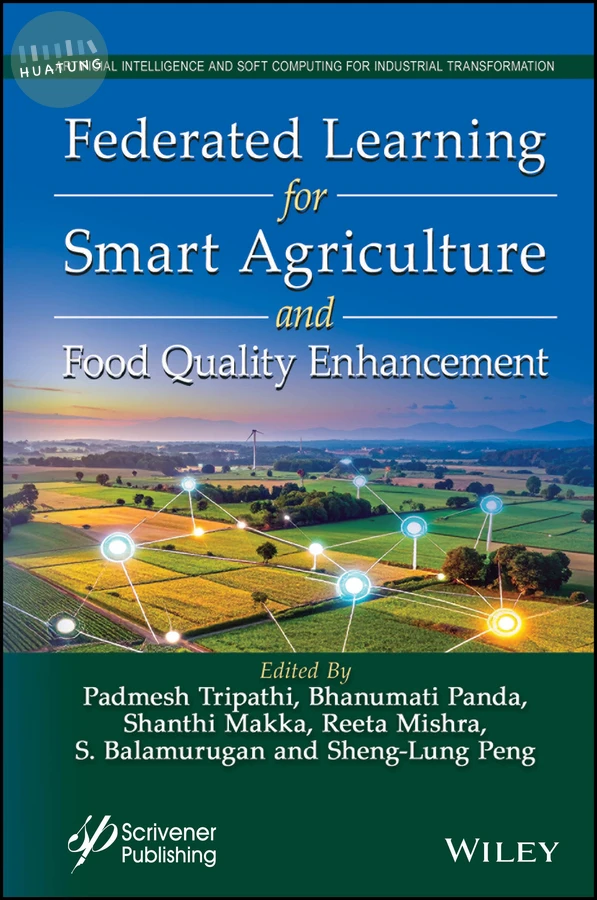
Federated Learning for Smart Agriculture and Food Quality Enhancement
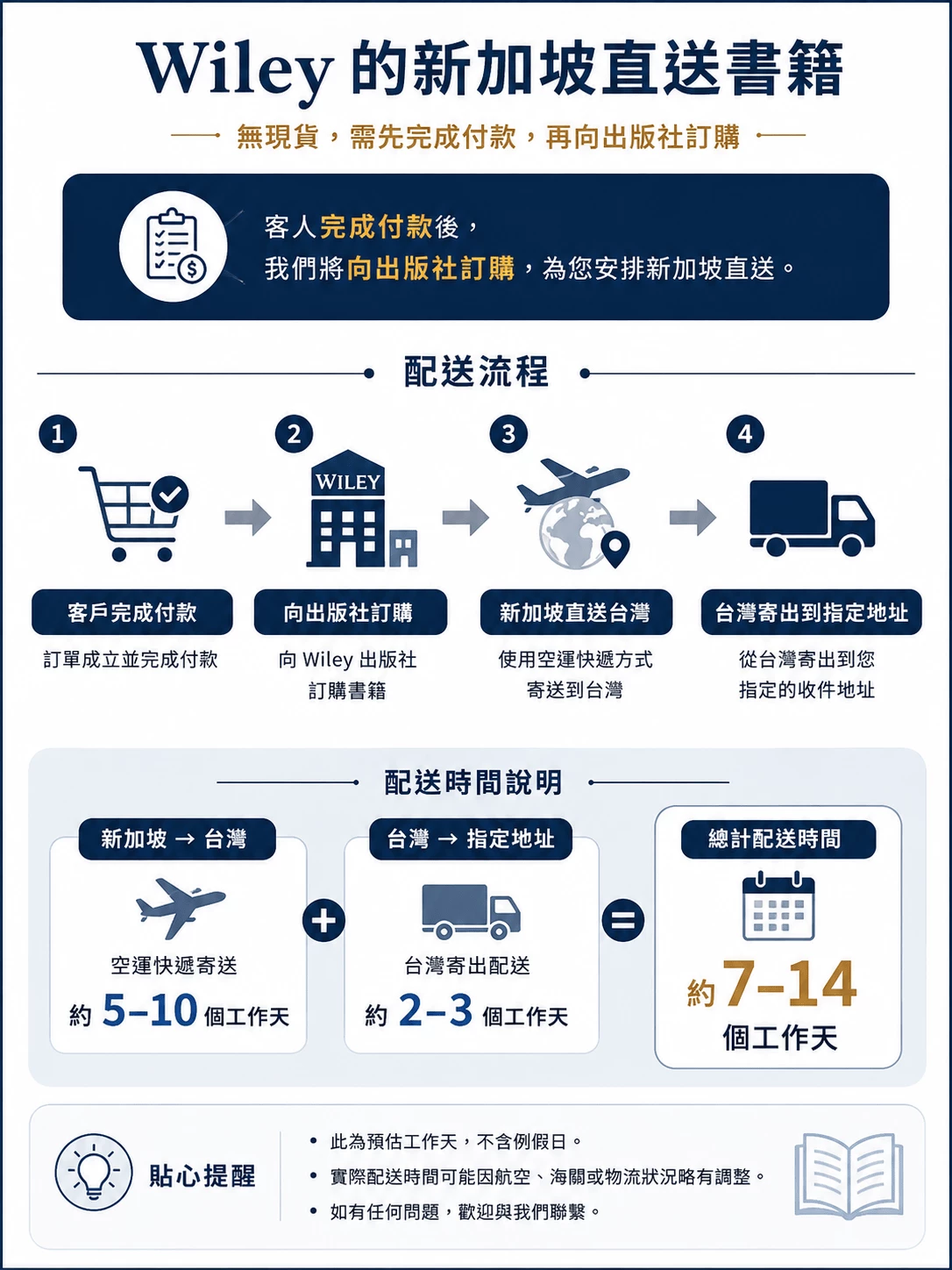
$6872元 定價: $7635 9折 可訂購
簡介
This essential book provides a comprehensive, expert-led guide on how federated learning can revolutionize crop yield, enhance resource management, and ensure a pathway to sustainable food quality and safety. The convergence of artificial intelligence, machine learning, and data science with agriculture and food, provides remarkable opportunities to improve quality, sustainability, and productivity in the agricultural sector. Federated Learning is a promising technology that has emerged at this intersection. In the context of smart agriculture, federated learning holds promise for improving crop yield, resource management, and decision-making. Additionally, federated learning provides greater clarity and understanding in the world of agriculture, encouraging stakeholders to explore and adopt this technology for improved farm management. Readers will find the book: Explores the integration of federated learning, a novel machine learning technique, into the realm of agriculture and food quality enhancement, showcasing the latest advancements;
Introduces real-world applications of federated learning in agriculture, and demonstrates the way this technology can transform farming practices, crop monitoring, pest control, and food quality assurance;
By bridging the fields of agriculture, machine learning, and food science, it offers a holistic perspective on leveraging technology to address challenges in food production and quality management;
Emphasizes the importance of sustainability in agriculture, exploring how federated learning can contribute to more efficient resource utilization, reduced environmental impact, and the overall sustainability of food production systems;
Discusses the future directions of smart agriculture and food quality enhancement, envisioning how federated learning and other emerging technologies can continue to shape the industry and address evolving challenges.
Audience Agriculture specialists, agricultural engineers, professionals associated with food safety, crop managers, quality assurance professionals, IT professionals, data scientists, and academics working towards improved quality and sustainability in agriculture.
目錄
Preface xxiii
1 Harnessing the Power of Federated Learning for Agricultural Innovation 1
Abhishek, Mritunjay Rai, Anand Prakash Singh and Vishwanath Jha
1.1 Introduction 2
1.2 Various Methods for Providing Solutions to Challenges in Agriculture 6
1.3 Rice Leaf Disease Classification 10
1.4 Federated Learning–Based CNNs for Sunflower Leaf Disease Detection 15
1.5 Federated Learning–Based CNNs for Banana Leaf Disease Detection 18
1.6 Conclusion 23
2 Federated Learning–Based Food Calorie Estimation 27
Lingam Sunitha, Shanthi Makka, Kumavat Prakash and Vankadaru Charan
2.1 Introduction 27
2.2 Foundations of Federated Learning 28
2.3 Federated Learning: A Collaborative Learning Approach 31
2.4 Machine Learning for Food Calorie Estimation 37
2.5 Federated Learning in Food Calorie Estimation 42
2.6 Challenges and Future Directions 50
2.7 Conclusion 54
3 Federated Learning for Food Safety and Compliance 57
Ramit Sehgal and Nitendra Kumar
3.1 Introduction 57
3.2 Principles and Mechanisms of Federated Learning 60
3.3 Applications of Federated Leaning in Food Safety and Quality Standards 63
3.4 Challenges and Limitations of Federated Learning in Food Safety and Quality Standards 69
3.5 Challenges and Opportunities in Implementing Federated Learning for Food Safety 73
3.6 Future Directions and Innovation in Federated Learning for Food Safety 76
3.7 Challenges and Limitations of Federated Learning in Food Safety 80
3.8 Conclusion 82
4 Federated Learning and Its Applications in Smart Agricultural Processes 85
Mahesh Kumar Singh, Pushpa Choudhary, Akhilesh Kumar Singh, Arun Kumar Singh and Om Prakash Rishi
4.1 Introduction 86
4.2 Federated Learning (FL) 89
4.3 Types of Federated Learning 90
4.4 Applications of Federated Learning 101
4.5 Conclusion 106
5 Federated Learning in Food Inspection and Grading 111
Reeta Mishra, Padmesh Tripathi, Reddy Saisindhutheja, Gagandeep Arora and Bhanumati Panda
5.1 Introduction 112
5.2 Traditional Food Inspection Methods: Key Approaches 115
5.3 Challenges and Limitations of Traditional Food Inspection Systems 116
5.4 Federated Learning: Overview and Applications in Food Systems 118
5.5 Existing Frameworks and Implementations in Food Inspection 120
5.6 Comparison Between Existing and Future Federate Learning System for Food Inspection and Grading 121
5.7 Case Studies in Federated Learning for Food Inspection and Grading 121
5.8 Future Directions and Potential of Federated Learning in Food Systems 130
5.9 Conclusion 131
6 Federated Learning–Based Approach for Crop Recommendation and Market Stability in Agriculture 135
Saurabh Kumar, Tejasva Maurya, Mritunjay Rai and Abhishek Saxena
6.1 Introduction 136
6.2 Literature Review 140
6.3 Proposed Federated Learning–Based Crop Recommendation System Conceptual Approach 143
6.4 Workflow for the Proposed System 147
6.5 Conclusion and Future Scopes 160
7 Federated Learning for Plant Disease Detection 165
Siddhartha Das, Sudipta Jana, Sudeepta Pattanayak, Pradipta Banerjee and Sweety Maity
7.1 Introduction 166
7.2 Federated Learning 167
7.3 Various Crop Diseases and Their Identification Strategies 168
7.4 Tools Used in the Federated Learning 169
7.5 Advantages of Federated Learning to Identify Plant Diseases 169
7.6 Data Collection and Preprocessing 170
7.7 Model Training and Aggregation 170
7.8 Other Associative Models 176
7.9 Benefits of Federated Learning for Plant Disease Detection 181
7.10 Implementation of DL Models 182
7.11 Challenges and Solutions in Federated Learning for Plant Disease Detection 185
7.12 Case Studies and Applications 186
7.13 Various Kind of Integration through Edge, Multi-Modal and Reinforcement Learning 187
7.14 Conclusion 188
8 Federated Learning for Decentralized Smart Farm Network Applications: Enhancing Crop Classification Performance 193
Mukesh Kumar Tripathi, Praveen Kumar Reddy, Vangara Nikitha, Nakshatra Reddy, Akshaya Gourisetty and Kapil Misal
8.1 Introduction 194
8.2 Related Work 198
8.3 Methodology and Experimental Setup 205
8.4 Results and Discussion 209
8.5 Conclusion 211
9 Revolutionizing Agriculture Yields through Federated Learning 217
Ramit Sehgal, Nitendra Kumar and Yash Dwivedi
9.1 Introduction 218
9.2 Overview of Crop Yield Prediction 222
9.3 The Importance of Crop Yield Prediction 226
9.4 Federated Learning in Agriculture 231
9.5 Implementation of Federated Learning for Crop Yield Prediction 233
9.6 Challenges and Limitations of Federated Learning in Crop Yield Predictions 239
9.7 Future Directions in Federated Learning for Agriculture 241
10 Federated Learning in Smart Agriculture: Applications, Challenges, and Solutions 247
Abhishek Tyagi, Shekhar Tyagi and Guru Dayal Kumar
10.1 Introduction 248
10.2 Related Work 250
10.3 Federated Learning: Pioneering Precision Agriculture Applications 252
10.4 Implementing Federated Learning in Smart Agriculture: Challenges and Solutions 259
10.5 Conclusion 266
10.6 Future Directions 267
11 Federated Learning and Its Impact on Decision-Making in Smart Agriculture 271
Divita Jain, Nikita Bhati and Nisha Bhardwaj
11.1 Introduction to Federated Learning in Agriculture 272
11.2 Applications of Federated Learning in Smart Agriculture 273
11.3 Enhancing Food Quality through Federated Learning 274
11.4 Using AI to Make Decisions in Smart Agriculture 275
11.5 Improving Food Quality with IoT, AI, and Blockchain 277
11.6 Federated Learning Enhances the Detection of Food Adulterants 278
11.7 Federated Learning Enhances Food Inspection and Grading 280
11.8 The Impact of Federated Learning Systems on Farmer Decision-Making: A Psychological Perspective 283
11.9 Challenges in Implementing Federated Learning 284
11.10 Limitations of Federated Learning 285
11.11 Future Directions for Research 286
11.12 Conclusion 286
12 A Federated Differential Privacy Model with Pyramid Residual Network for Predicting Crop Yields 293
Reddy Saisindhutheja, Shanthi Makka, Reeta Mishra and Padmesh Tripathi
12.1 Introduction 294
12.2 Crop Yield Prediction Using Federated Learning 299
12.3 Methodologies of the Proposed Work 302
12.4 Execution and Outcomes 308
12.5 Conclusions and Future Scope 312
13 A Review on Detection of Adulteration in Food Using Federated Learning 319
Jagamohan Meher and Rajanandini Meher
13.1 Introduction 320
13.2 Fundamentals of FL 321
13.3 Data Types and Features in FA Detection 324
13.4 Integration of Diverse Data Sources in FA Detection and Its Benefit 332
13.5 Conclusion 340
14 Federated Learning for Crop Yield Prediction 347
Gangadhara Doggalli, Santhoshini E., Sujitha R., Vishwas Gowda G.R., Kavya, N.S. Gouthami and Oinam Bobochand Singh
14.1 Introduction 348
14.2 Introduction to Federated Learning 348
14.3 Accurate Crop Yield Prediction with Federated Learning 357
14.4 Data Privacy in Federated Learning in Crop Yield Prediction 370
14.5 Integration with Existing Agricultural Technologies 372
14.6 Real-World Examples of Federated Learning in Crop Yield Prediction 373
14.7 Policy and Regulatory Considerations 375
14.8 Challenges and Future Directions 376
14.9 Conclusion 378
References 378
Index 383