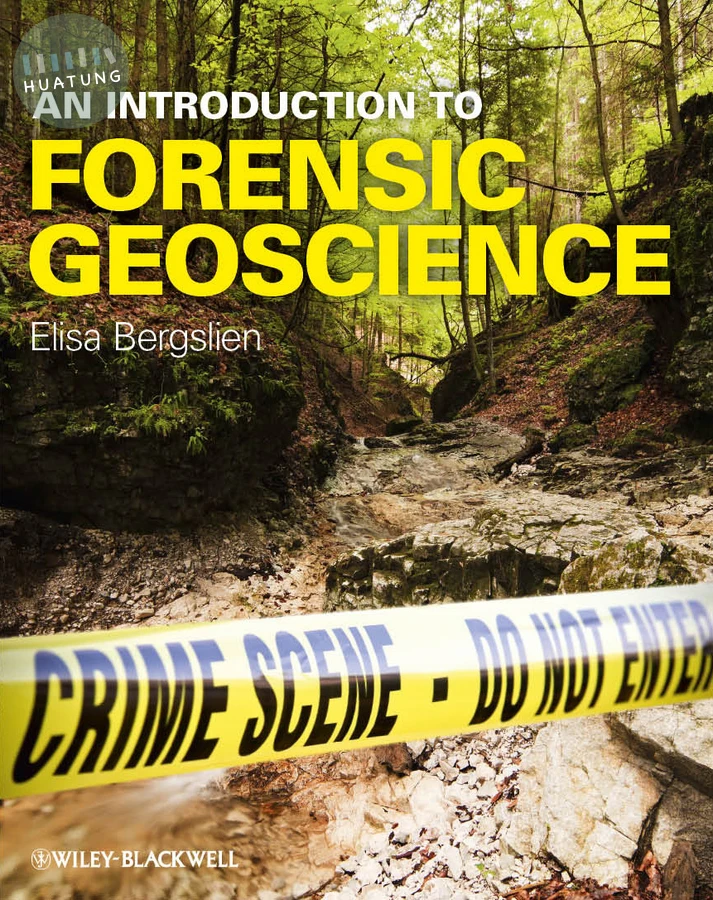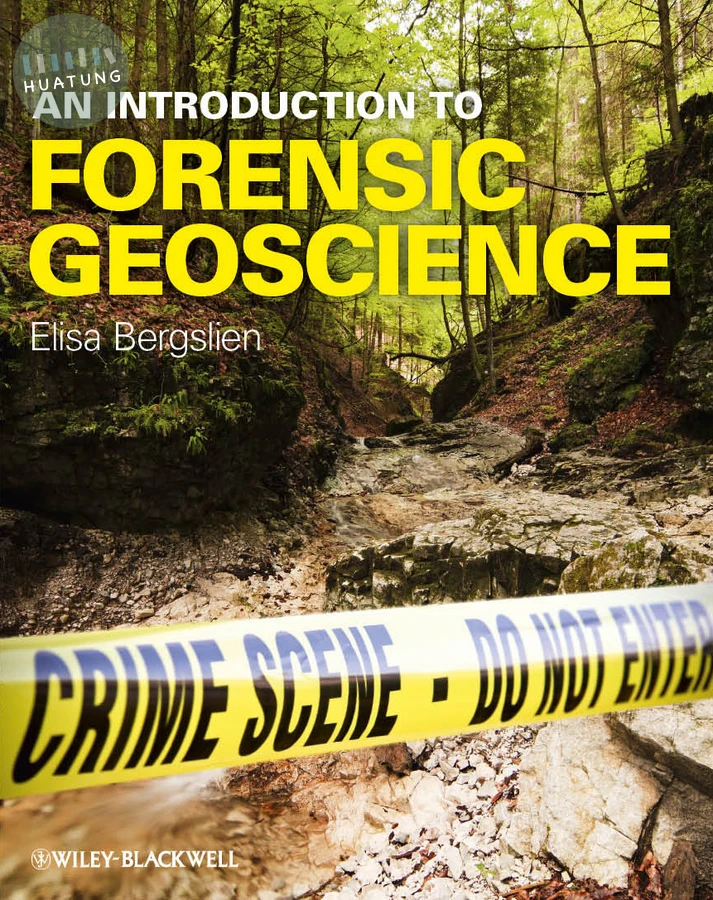
An Introduction to Forensic Geoscience
$6567元可訂購
簡介
An Introduction to Forensic Geoscience provides fundamental training in geoscience as developed through the lens of its forensic applications. It incorporates a range of topics including geophysical methods of grave detection, the mineralogy of art, identification of microfossils, and comparison of soil trace evidence samples. Each topic is introduced using core concepts that are developed with increasing complexity in order to give readers an understanding of the underlying scientific principles involved and a taste of the wide range of possible forensic uses. A variety of detailed reference tables have been compiled for the text and each chapter contains lists of references to applicable textbooks and journal articles. Examples of real criminal cases are also presented in each chapter to make the connections between theory and real world application. The goal of this book is to give readers a familiarity with the wide range of ways in which geoscience principles and geological materials can be utilized forensically.
Additional resources for this book can be found at: http://www.wiley.com/go/bergslien/forensicgeoscience.
目錄
List of Tables and Figures vii
List of Color Plates xxv
List of Cases xxviii
Preface xxx
Acknowledgments xxxii
1 A Brief History of Forensic Science and Crime Scene Basics1
Scene of the Crime 14
Processing the Crime Scene 16
Types of Evidence 20
Further Reading 22
References 23
2 Minerals: The Basic Building Blocks of Geology24
Mineralogical Fraud 24
Minerals 29
Types of Bonding 34
Mineral Groups 43
Properties of Minerals 46
Summary 62
Further Reading 62
References 62
3 Rocks: Storybooks of the Earth63
The Rock Cycle 65
Properties of Rocks 67
Igneous Rocks 69
Sedimentary Rocks 78
Metamorphic Rocks 93
Summary 102
Further Reading 102
References 102
4 Maps: Getting a Sense of Place103
Global Location Systems 104
Maps in the United Kingdom 115
The Global Positioning System 115
Maps 117
Remote Sensing and Other Resources 127
Summary 130
Further Reading 130
References 131
5 Sand: To See the World in a Grain of Sand132
An Introduction to Sand 137
Characterizing Sand 139
Surface Features 152
Sample Collection 155
Sample Preparation 156
The Stereomicroscope 157
Forensic Examination of Sand 157
Common Minerals 159
Less Common Minerals 160
Opaque Minerals 160
Anthropogenic Materials 160
Summary 163
Further Reading 165
References 166
6 Gems and Gemstones: Those Most Precious of all Minerals168
An Introduction to Gemstones 170
Crystal Forms 171
The Petrographic Microscope 175
Light and the Optical Properties of Minerals 177
The Forensic Identification of Glass 182
More Optical Properties 187
Isotropic versus Anisotropic Minerals 191
Anisotropic Crystals 193
Other Important Properties of Gems and Gemstones 201
Identifying Gems and Gemstones 202
Organic Gemstones 216
Summary 218
Further Reading 218
References 218
7 Soil: Getting the Dirt on Crime220
Introduction to Soils 223
Soil Horizons 223
Soil Origins 225
Phyllosilicates (Sheet Silicates) 227
Some Important Clay Minerals 231
Soil Classification 237
Soil Color 237
Soil Moisture 242
Particle Size 243
Sample Collection 245
Simplified Manual Dry Sieve Method for Particle Size Analysis 246
Soil Classification Schemes 249
Soil Survey Maps 251
USDA Textural Classification 252
The ASTM Unified Soil Classification System (USCS): D-2487 253
Scene Examination 256
Visual Examination of Soil Evidence 256
Examination Procedures for Soil Samples 257
An Introduction to X-ray Diffraction Spectrometry (XRD) 264
Interpreting a Diffraction Pattern 272
Summary 279
Further Reading 279
References 279
8 The Geology of Art281
Geologic Media and Art Forgery 285
Mineral Pigments 287
Black Pigments 289
White Pigments 290
Earth Colors: Red Yellow Orange and Brown Pigments 295
Blue Pigments 298
Green Pigments 302
Collecting a Sample for Microscopic Examination (McCrone 1982) 305
Raman Spectroscopy 307
Chromatography 312
Inks 314
Summary 314
Further Reading 314
References 315
9 Fossils and Microfossils: Traces of Life317
Geologic Time and Index Fossils 317
An Introduction to Fossils 322
A Brief Introduction to the Classification of Fossils 329
Invertebrate Paleontology 332
Micropaleontology 354
Collection and Treatment 358
Scanning Electron Microscope 368
Is It Legal to Take This Fossil? 378
Rare-earth Elements 379
Summary 379
References 380
10 Geology and People: Forensic Anthropology and Forensic Archeology383
Locating Ground Disturbances 384
Search 385
Geophysical Tools 390
Magnetometry 390
Electrical Resistivity (ER) 400
Electromagnetic Induction (EMI) 408
Specialized EMI: Metal Detectors 411
Ground-penetrating Radar (GPR) 412
Search and Post-search Operations 423
Elemental and Mineralogical Analysis of Human Bone 424
Summary 428
Further Reading 428
References 428
11 Environmental Forensics: Tracking Pollution to its Source431
Water: Our Most Precious Natural Resource 433
Surface Water 434
Clean Water Act 436
CERCLA and SARA 440
Groundwater 440
Contaminant Hydrogeology 448
Safe Drinking Water Act 450
Water-quality Measurements 450
Field Water-quality Measurements 452
Water Contamination 455
Analytical Techniques for Chemical Fingerprinting 462
Isotopes in the Environment 463
Summary 470
References 471
Index 472