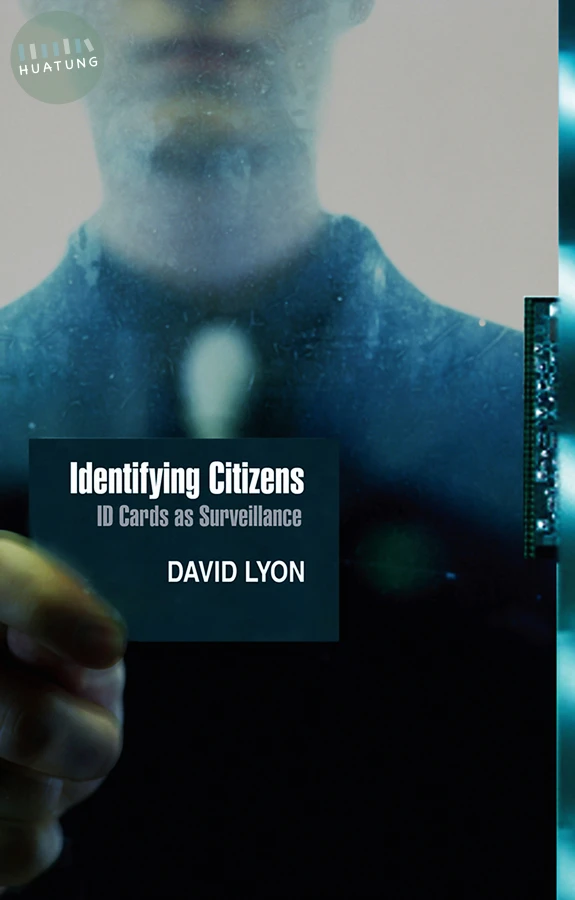

Identifying Citizens
$726元 定價: $807 9折 可訂購
簡介
New ID card systems are proliferating around the world. These may use digitized fingerprints or photos, may be contactless, using a scanner, and above all, may rely on computerized registries of personal information. In this timely new contribution, David Lyon argues that such IDs represent a fresh phase in the long-term attempts of modern states to find stable ways of identifying citizens. New ID systems are “new” because they are high-tech. But their newness is also seen crucially in the ways that they contribute to new means of governance. The rise of e-Government and global mobility along with the aftermath of 9/11 and fears of identity theft are propelling the trend towards new ID systems. This is further lubricated by high technology companies seeking lucrative procurements, giving stakes in identification practices to agencies additional to nation-states, particularly technical and commercial ones. While the claims made for new IDs focus on security, efficiency and convenience, each proposal is also controversial. Fears of privacy-loss, limits to liberty, government control, and even of totalitarian tendencies are expressed by critics.
This book takes an historical, comparative and sociological look at citizen-identification, and new ID cards in particular. It concludes that their widespread use is both likely and, without some strong safeguards, troublesome, though not necessarily for the reasons most popularly proposed. Arguing that new IDs demand new approaches to identification practices given their potential for undermining trust and contributing to social exclusion, David Lyon provides the clearest overview of this topical area to date.
目錄
Introduction 1. Demanding Documents
2. Sorting Systems
3. Card Cartel
4. Stretched Screens
5. Body Badges
6. Cyber-Citizens
Bibliography
Index