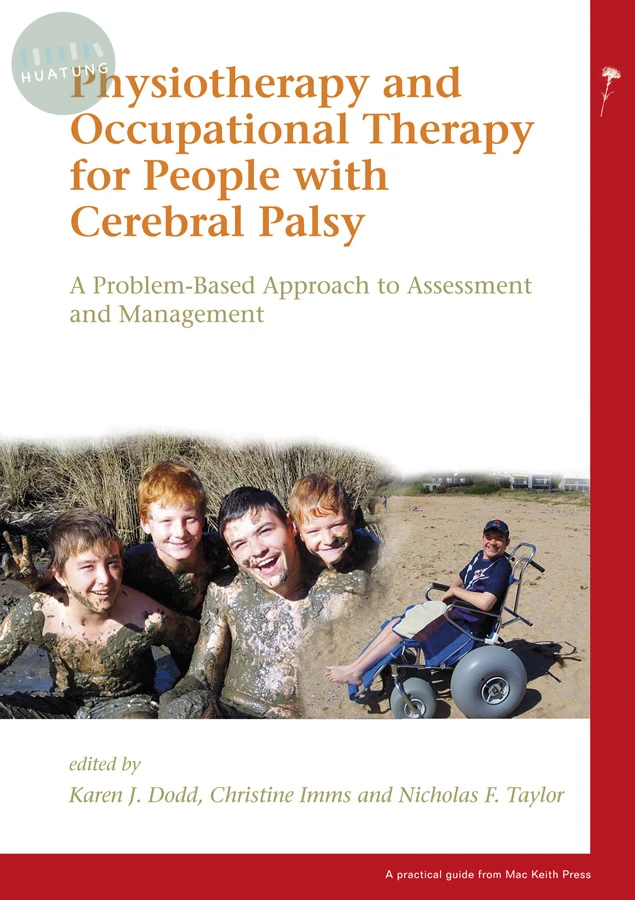

Physiotherapy and Occupational Therapy for People with Cerebral Palsy
$1515元 定價: $1683 9折 可訂購
簡介
This book is a practical resource for physiotherapists and occupational therapists who support people with cerebral palsy, helping them to solve the problems with movement and other impairments that so often accompany cerebral palsy, so that they can be more active and better able to participate in roles such as study, work, recreation and relationships. The first chapters provide the background to the clinical reasoning approach that informs the whole text, as well as an overview of therapeutic interventions. The subsequent chapters present clinical situations that therapists will encounter in the course of their work with individuals with cerebral palsy across the lifespan. Each chapter describes a case in detail, including the reasoning behind assessment and treatment choices, interventions and outcomes.
The themes emphasized throughout the book are the use of the clinical reasoning approach of the intervention process model, the International Classification of Functioning, Disability and Health as a framework to help therapists inform patient and family decision-making, family-centred approaches in developing and implementing therapeutic strategies, and multidisciplinary team work.
目錄
FOREWORD (Peter Rosenbaum). PART 1: BACKGROUND: KEY ISSUES IN PLANNING THERAPY FOR PEOPLE WITH CEREBRAL PALSY.
1. INTRODUCTION TO THE CLINICAL REASONING APPROACH OF THE BOOK (Christine Imms, Karen J. Dodd, and Nicholas F. Taylor).
2. WHAT IS CEREBRAL PALSY? (Christine Imms and Karen J. Dodd).
3. UNDERSTANDING THE FAMILY’S PERSPECTIVE: PARENTING A CHILD WITH CEREBRAL PALSY (Helen Bourke-Taylor).
4. OVERVIEW OF THERAPY (Karen J. Dodd, Christine Imms and Nicholas F. Taylor).
PART 2: THE PRE-SCHOOL YEARS.
IN THE BEGINNING.
5. THE INFANT WITH COMPLEX NEEDS (Sarah Foley and Susan Greaves).
BEING TWO.
6. EARLY STEPS (Karen J. Dodd and Sue Greaves).
7. MODIFIED CONSTRAINT-INDUCED THERAPY FOR YOUNG CHILDREN (Margaret Wallen and Christine Imms).
GETTING READY FOR SCHOOL.
8. GOAL-DIRECTED TRAINING OF ACTIVITY PERFORMANCE (Brian Hoare and Christine Imms).
9. THE ROLE OF BOTULINUM TOXIN A INJECTIONS IN THE LOWER EXTREMITY (Pam Thomason and H. Kerr Graham).
PART 3: THE SCHOOL YEARS.
GETTING THINGS STRAIGHT.
10. PHYSIOTHERAPY FOLLOWING SINGLE-EVENT MULTILEVEL SURGERY (SEMLS) (Adrienne Harvey).
11. OCCUPATIONAL THERAPY FOLLOWING UPPER-EXTREMITY SURGERY (Josie Duncan).
TRANSITION TO SECONDARY SCHOOL.
12. NAVIGATING SCHOOL-BASED NEEDS AND TECHNOLOGICAL SUPPORTS FOR SECONDARY SCHOOL (Margaret Mayston).
DOING IT YOURSELF.
13. STRENGTH TRAINING FOR ADOLESCENTS (Nicholas Taylor and Karen J. Dodd).
PART 4: ADULTHOOD.
GETTING OUT THERE.
14. TRANSITIONS TO ADULTDHOOD (Mary Law and Debra Stewart).
COMMUNITY ACCESS.
15. THE YOUNG ADULT WITH COMPLEX DISABILITY (Barbara Scoullar and Christine Imms).