需調書
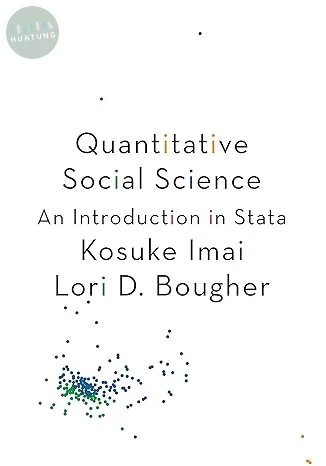
Quantitative Social Science: An Introduction
$1425元 定價: $1500 9.5折 可訂購
此書籍已售完,調書籍需2-5工作日。建議與有庫存書籍分開下單
書名:Quantitative Social Science: An Introduction
作者:Kosuke Imai
出版社:Princeton
出版日期:2017/00/00
ISBN:9780691175461
內容簡介
An introductory textbook on data analysis and statistics written especially for students in the social sciences and allied fields
Quantitative analysis is an increasingly essential skill for social science research, yet students in the social sciences and related areas typically receive little training in it—or if they do, they usually end up in statistics classes that offer few insights into their field. This textbook is a practical introduction to data analysis and statistics written especially for undergraduates and beginning graduate students in the social sciences and allied fields, such as economics, sociology, public policy, and data science.
Quantitative Social Science engages directly with empirical analysis, showing students how to analyze data using the R programming language and to interpret the results—it encourages hands-on learning, not paper-and-pencil statistics. More than forty data sets taken directly from leading quantitative social science research illustrate how data analysis can be used to answer important questions about society and human behavior.
Proven in the classroom, this one-of-a-kind textbook features numerous additional data analysis exercises and interactive R programming exercises, and also comes with supplementary teaching materials for instructors.
Written especially for students in the social sciences and allied fields, including economics, sociology, public policy, and data science
Provides hands-on instruction using R programming, not paper-and-pencil statistics
Includes more than forty data sets from actual research for students to test their skills on
Covers data analysis concepts such as causality, measurement, and prediction, as well as probability and statistical tools
Features a wealth of supplementary exercises, including additional data analysis exercises and interactive programming exercises
Offers a solid foundation for further study
Comes with additional course materials online, including notes, sample code, exercises and problem sets with solutions, and lecture slides
目錄
1 Introduction
2 Causality
3 Measurement
4 Prediction
5 Discovery
6 Probability
7 Uncertainty
8 Next