此書籍沒有詳細資訊。
還沒有人留下心得,快來搶頭香!
為您推薦
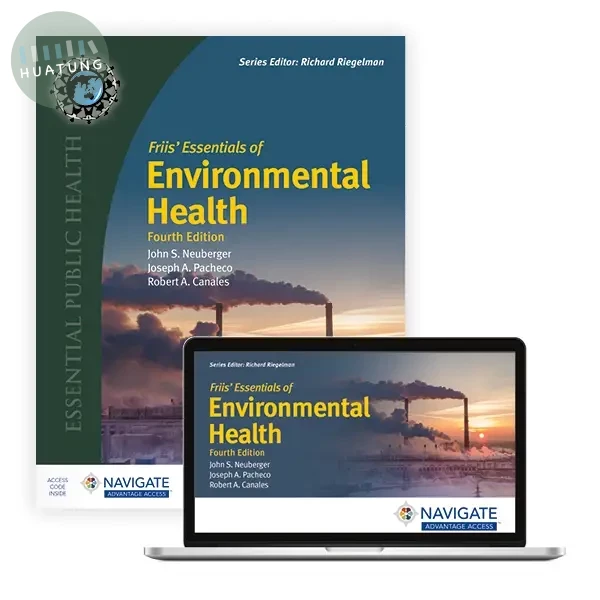
類似書籍推薦給您
【簡介】 Friis’ Essentials of Environmental Health offers a clear and comprehensive overview of the key topics in environmental health. Beginning with foundational concepts and essential methodologies such as environmental epidemiology, toxicology, and policy and regulation, the book then explores environmental diseases, including those caused by microbial agents and exposure to ionizing and non-ionizing radiation. Finally, it examines practical applications and domains within the field, including water and air quality, food safety, waste management, and occupational health. Now in its Fourth Edition, the book has been updated by a new team of authors--Neuberger, Pacheco, and Canales--to include the latest research, data, and reflect the Healthy People 2030 objectives. Each chapter ends with updated questions and exercises to help readers think more deeply about the material. Key Updates New chapter on Disasters examines natural vs. human-made disasters. New chapter on Climate Change covers greenhouse gases and their effects on humans and wildlife, changes in the Arctic/Antarctic, sea level rise, changes in allergens and mitigation efforts Expanded content on topics such as environmental justice, indoor/outdoor air quality and monitoring/control, water quality (including fluoridation controversies), radon, impacts on wildlife, occupational cancers, and more. Updated figures, tables, and data, case studies, and revised discussion questions.
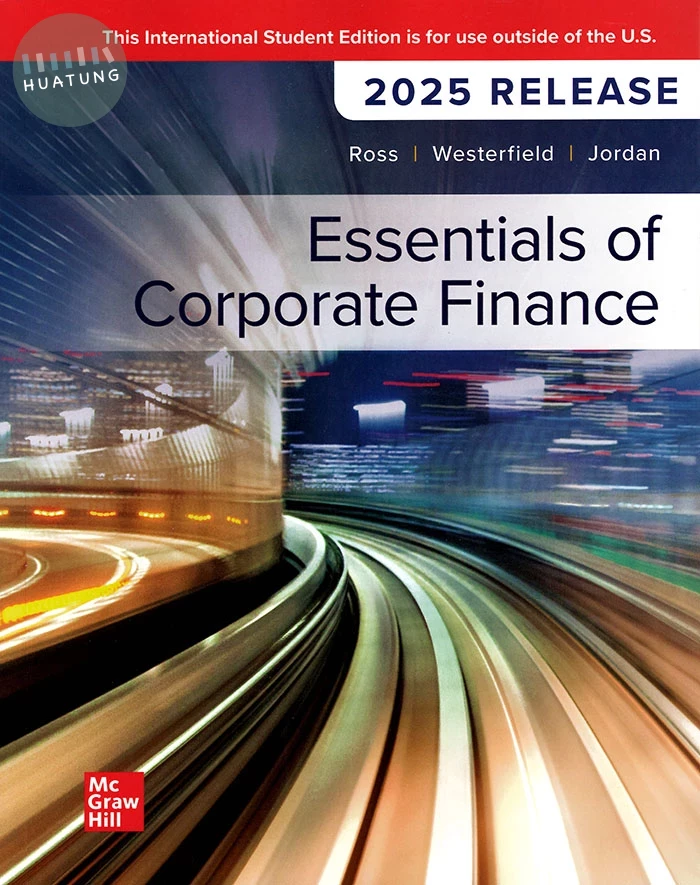
類似書籍推薦給您
【簡介】 Essentials of Corporate Finance by Ross, Westerfield, and Jordan provides a streamlined introduction to the core concepts of corporate finance, focusing on what students from diverse backgrounds need to know. Written in a relaxed, conversational style, the text invites active learning and emphasizes three key themes: intuition, a unified valuation approach, and a managerial focus. Complex financial principles are explained at an intuitive level, with net present value (NPV) as the foundation of corporate finance. By focusing on the role of the financial manager as a decision-maker, the book prepares students to apply these concepts in real-world scenarios. 【目錄】 PART I: OVERVIEW OF FINANCIAL MANAGEMENT Ch 1 Introduction to Financial Management PART II: UNDERSTANDING FINANCIAL STATEMENTS AND CASH FLOW Ch 2 Financial Statements, Taxes, and Cash Flow Ch 3 Working with Financial Statements PART III: VALUATION OF FUTURE CASH FLOWS Ch 4 Introduction to Valuation: The Time Value of Money Ch 5 Discounted Cash Flow Valuation PART IV: VALUING STOCKS AND BONDS Ch 6 Interest Rates and Bond Valuation Ch 7 Equity Markets and Stock Valuation PART V: CAPITAL BUDGETING Ch 8 Net Present Value and Other Investment Criteria Ch 9 Making Capital Investment Decisions PART VI: RISK AND RETURN Ch10 Some Lessons from Capital Market History Ch11 Risk and Return PART VII: LONG-TERM FINANCING Ch12 Cost of Capital Ch13 Leverage and Capital Structure Ch14 Dividends and Dividend Policy Ch15 Raising Capital PART VIII: SHORT-TERM FINANCIAL MANAGEMENT Ch16 Short-Term Financial Planning Ch17 Working Capital Management PART VX: TOPICS IN BUSINESS FINANCE Ch18 International Aspects of Financial Management
 資訊
資訊
 工程
工程
 數學與統計學
 機率與統計
機率與統計
 自然科學
自然科學
 健康科學
健康科學
 地球與環境
地球與環境
 建築、設計與藝術
 人文與社會科學
 教育
教育
 語言學習與考試
 法律
法律
 會計與財務
會計與財務
 大眾傳播
大眾傳播
 觀光與休閒餐旅
 考試用書
考試用書
 研究方法
研究方法
 商業與管理
商業與管理
 經濟學
經濟學
 心理學
心理學
 生活
生活
 生活風格商品
 參考書/測驗卷/輔材