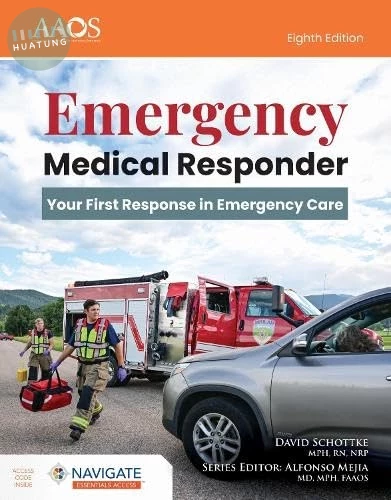
【簡介】 Based on the National EMS Education Standards and endorsed by the American Academy of Orthopaedic Surgeons, Emergency Medical Responder: Your First Response in Emergency Care, Eighth Edition with Navigate Essentials Access clearly and concisely covers every competency required of students embarking on this vital EMS role. Using clear, accessible language and proven pedagogical features designed for first responders with limited medical training, the Eighth Edition prepares law enforcement personnel, firefighters, rescue squad personnel, athletic trainers, college students, and laypersons to respond to medical emergencies in their communities. It can also be a strong stepping stone for EMT training. This edition provides instructors and students with the content they need for success in the field: Current Medical Content. The Eighth Edition incorporates current medical concepts to guide students in assessment and treatment approaches that help save lives. Clear Application to Real-World Experiences. Realistic case studies and Voices of Experience sections in every chapter compel students to think critically, apply their learning, and expand their thinking on how to best meet day-to-day EMS challenges. Additionally, this edition addresses soft skills, personal safety, mental health, crew resource management, and the value of peer support. Concept Reinforcement. The Eighth Edition provides a solid foundation in the basics followed by reinforcement throughout the text, allowing students to deeply learn critical concepts, build on their knowledge, and start their careers with confidence. Key content updates to the Eighth Edition include: Expert content that aligns with the most current national certification standards and authorities, including the 2025 ILCOR (International Liaison Committee on Resuscitation) and AHA (American Heart Association) guidelines for CPR/ECC and first aid Pediatric and geriatric content integrated throughout the training resources Updated references citing the most current EMS research available New and updated content in Section 1 (Preparatory), Section 2 (Airway), Section 3 (Patient Assessment), Section 4 (Medical), Section 5 (Trauma), Section 6 (Special Patient Populations), and Section 7 (EMS Operation) New discussions on skin coloration assessment, baseline skin tone, and differences in patient presentation New discussion of human trafficking New discussion of “do not use” abbreviations New discussions on patient communications, including de-escalation techniques, health literacy, cultural competence, family-centered care, and translators and translator apps New table on the physiology of breathing and new content on hyperventilation risks and the signs of adequate breathing New content on situational awareness and advances in dispatch technology New content on medication properties, safety, and routes of administration New discussion on the 988 Suicide & Crisis Lifeline Much more! The Essentials digital and print package includes the following expert text formats: Print Textbook eBook Audiobook Instructional materials include the following teaching and learning tools: Instructor Guide Learning Objectives Lecture Outlines Lecture Slides Skill Drill Slides Skill Evaluation Sheets Assessments, including new Technology-Enhanced Items (TEIs) Student learning materials include the following engaging tools: Practice Activities Mental Health Resources
還沒有人留下心得,快來搶頭香!
為您推薦
類似書籍推薦給您
類似書籍推薦給您
類似書籍推薦給您
【簡介】 《全災害緊急應變訓練指引》以「全災害(All-Hazards)」概念為核心,整合醫療、消防、公共安全與災害管理等領域的實務經驗與訓練原則,系統化介紹各類突發事件的應變架構與操作流程。內容涵蓋大量傷患事件、天然災害、公共衛生危機及複合型事故等情境,並透過案例解析與實務指引,協助讀者建立跨部門協調、快速評估與有效處置的能力。本書強調情境式訓練與團隊合作,提供清晰可行的教學與演練架構,適合醫療人員、緊急救護人員、政府單位及災害應變相關專業人士參考。透過本書,讀者可強化整體災害應變思維,提升在高壓與不確定環境中的決策與行動能力,為建立更完善的緊急應變體系奠定基礎。 【目錄】 第一章 全災害緊急應變簡介 . . . . . . . . . . . . . . . . . . . . . . . . . . . . . . . . . . . . . . . . . . . . . . . . . . . . .1 課程概論 ........................................................................................................................................1 什麼是災難? ...............................................................................................................................1 災難的類型 ...................................................................................................................................2 大規模傷亡事件 .................................................................................................................2 自然災害 ...............................................................................................................................3 傳染病與生物災難 ............................................................................................................3 危險物質災害 .....................................................................................................................3 大規模毀滅性武器災害 ...................................................................................................3 綜合性緊急管理 ..........................................................................................................................4 預防 ........................................................................................................................................4 減災 ........................................................................................................................................4 整備 ........................................................................................................................................4 應變 ........................................................................................................................................5 復原 ........................................................................................................................................5 參考文獻與延伸資源 .................................................................................................................5 第二章 事件指揮系統 . . . . . . . . . . . . . . . . . . . . . . . . . . . . . . . . . . . . . . . . . . . . . . . . . . . . . . . . . . . . .7 事故指揮系統概論 .....................................................................................................................7 事故指揮系統 .....................................................................................................................7 事故指揮系統的特色 .................................................................................................................8 事故指揮系統的組織架構 .......................................................................................................9 單一指揮系統與聯合指揮系統之比較.......................................................................9 事件指揮所 ........................................................................................................................10 指揮幕僚人員 ...................................................................................................................10 事故指揮系統(ICS) 的部門與部門負責人 ............................................................11 災難和專業應變小組 ...............................................................................................................12 反應小組的類型 ...............................................................................................................12 國家災難醫療系統(NDMS) 和災難醫療救援隊(DMAT) ................................14 管理和資源維護 ........................................................................................................................15 參考文獻與延伸資源 ...............................................................................................................16 第三章 緊急醫療系統在災難應變中的角色 . . . . . . . . . . . . . . . . . . . . . . . . . . . . . . . . . . . 17 災難中的緊急醫療應變目標 .................................................................................................17 災害醫療應變的基本步驟 .....................................................................................................17 初步應變 .............................................................................................................................17 控制區域 .............................................................................................................................19 檢傷分類與治療 ...............................................................................................................20 病患轉送 .............................................................................................................................25 重新檢傷 .............................................................................................................................25 災難應變中的緊急醫療(EMS)安全原則 ....................................................................25 情境意識 .............................................................................................................................25 隊伍資源管理 ...................................................................................................................26 災難事件中的心理反應機制 .................................................................................................26 影響災難心理反應的因素 ............................................................................................26 心理創傷的徵兆 ...............................................................................................................27 心理反應介入策略 ..........................................................................................................27 緊急醫療人員所承受之生理影響 .......................................................................................27 參考文獻與延伸資源 ...............................................................................................................28 第四章 大規模( 大量) 傷患事件(MCI) . . . . . . . . . . . . . . . . . . . . . . . . . . . . . . . . . . . . . . . 29 整體考量 ......................................................................................................................................29 何謂大規模( 大量) 傷患事件[Mass-Casualty Incidents (MCIs)]? ...........29 大規模( 大量) 傷患事件期間緊急醫療系統之關鍵應變及優先事項 .........29 死亡事件處置:緊急醫療服務系統面臨之挑戰 ..................................................30 特殊需求的病患 ...............................................................................................................30 偏遠地區的緊急醫療系統挑戰 ...................................................................................31 都市環境中的緊急醫療系統挑戰 ..............................................................................31 火災、爆炸與建築倒塌 ..........................................................................................................31 交通性大規模傷患事件 ..........................................................................................................33 槍擊/敵對事件(ASHE) .......................................................................................................34 槍擊/ 攻擊事件中緊急醫療救護人員的個人防護 ..............................................34 照護區域的基礎設置 .....................................................................................................35 臨床處置優先順序:直接威脅/熱區.....................................................................35 臨床處置優先順序:間接威脅/暖區.....................................................................36 臨床處置優先順序:冷區 ............................................................................................38 參考文獻與延伸資源 ...............................................................................................................39 第五章 天然災害. . . . . . . . . . . . . . . . . . . . . . . . . . . . . . . . . . . . . . . . . . . . . . . . . . . . . . . . . . . . . . . . . 41 天然災害的種類 ........................................................................................................................41 可預警的天然災害 ..........................................................................................................41 無預警型天然災害 ..........................................................................................................42 天然災害中的撤離行動 ..........................................................................................................43 撤離行動的心理與社會影響 .......................................................................................43 撤離階段 .............................................................................................................................43 就地避難與撤離之比較 .................................................................................................44 弱勢病患/特殊需求族群 .....................................................................................................45 辨別弱勢病患 ...................................................................................................................46 確定目的地 ........................................................................................................................47 緊急醫療系統(EMS) 及當地居民的潛在危害 ..............................................................48 常見傷害ㄒ .................................................................................................................................49 鈍性外傷 .............................................................................................................................49 骨科相關傷害 ...................................................................................................................50 砸壓傷與砸壓症候群 .....................................................................................................50 現有醫療狀況的惡化 .....................................................................................................50 天然災害中的檢傷與轉送 .....................................................................................................50 病患追蹤 ......................................................................................................................................51 公共教育 ......................................................................................................................................51 整備工作 ......................................................................................................................................51 個人準備工作 ...................................................................................................................51 參考文獻與延伸資源 ...............................................................................................................55 第六章 傳染病與生物性災難 . . . . . . . . . . . . . . . . . . . . . . . . . . . . . . . . . . . . . . . . . . . . . . . . . . . 57 綜合考量 ......................................................................................................................................57 疾病爆發時的術語使用 .................................................................................................57 傳染病傳播模式 ...............................................................................................................58 控制傳染病散播 ...............................................................................................................59 個人防護裝備(PPE) ......................................................................................................60 除污 ......................................................................................................................................64 救護車內裝調整 ...............................................................................................................64 生物恐怖主義與災難 ...............................................................................................................64 什麼樣的生物製劑特徵會使其成為生物恐怖攻擊的武器? ..........................65 美國疾病管制與預防中心(CDC) 生物恐怖攻擊製劑的風險分類................65 緊急醫療系統的緊急應變:傳染病與生物性災難 ......................................................66 緊急醫療救護人員與生物攻擊恐怖主義 ................................................................66 緊急醫療救護人員的一般應對: 管控生物危害物質與集中受感染患者 ...........................................................66 生物性檢傷分類有何不同? .......................................................................................66 防止感染的具體步驟 .....................................................................................................67 緊急醫療救護人員針對特定生物危害病原體的管理 ..................................................68 炭疽病 .................................................................................................................................68 鼠疫 ......................................................................................................................................68 天花 ......................................................................................................................................69 伊波拉病毒 ........................................................................................................................70 肉毒桿菌毒素 ...................................................................................................................71 疫情大流行的整備與應變:危機時期照護標準 ...........................................................72 個案探討 ......................................................................................................................................73 參考文獻與延伸資源 ...............................................................................................................76 第七章 化學與放射性/核災難. . . . . . . . . . . . . . . . . . . . . . . . . . . . . . . . . . . . . . . . . . . . . . . . . 79 何謂危害物質? ........................................................................................................................79 危險物質相關災難處置的相似性 .......................................................................................79 危害物質事件的識別 .....................................................................................................79 派遣調度時間 ...................................................................................................................80 接近危害物質事件的現場 ............................................................................................80 化學性物質標示 ...............................................................................................................80 通知監管機構 ...................................................................................................................82 作業區域 .............................................................................................................................82 個人防護裝備(PPE) ......................................................................................................83 除污 ......................................................................................................................................84 化學性災難 .................................................................................................................................85 化學製劑與中毒症候群的分類 ...................................................................................85 暴露類型 .............................................................................................................................87 初級與次級污染 ...............................................................................................................87 緊急醫療救護系統在化學災難管理中的考量 ......................................................88 後送考量 .............................................................................................................................92 放射性/核子災難 ...................................................................................................................92 游離輻射的類型 ...............................................................................................................92 災難情境範例 ...................................................................................................................93 輻射( 放射性) 武器的類型 .........................................................................................95 輻射暴露之診斷 ...............................................................................................................95 了解輻射暴露 ...................................................................................................................95 預防輻射暴露所引起的不良反應 ..............................................................................95 劑量率計與輻射檢測 .....................................................................................................96 處置及除污原則 ...............................................................................................................96 後送考量 .............................................................................................................................96 案例研究 ......................................................................................................................................97 參考文獻與延伸資源 ............................................................................................................100 第八章 氣爆及爆炸傷害. . . . . . . . . . . . . . . . . . . . . . . . . . . . . . . . . . . . . . . . . . . . . . . . . . . . . . . .103 綜合考量 ...................................................................................................................................103 爆炸的多種成因 ............................................................................................................103 封閉式空間 vs. 開放式空間爆炸 ............................................................................103 情境意識的重要性 .......................................................................................................104 執法層面 ..........................................................................................................................104 檢傷分類考量 ................................................................................................................104 轉送考量 ..........................................................................................................................105 特殊族群 ..........................................................................................................................105 爆裂物 ........................................................................................................................................105 爆裂物類別 .....................................................................................................................105 爆炸術語 ..........................................................................................................................106 傷害機制 ...................................................................................................................................106 爆炸傷害類型 ................................................................................................................106 爆炸性肺損傷(BLI) .....................................................................................................107 鼓膜破裂 ..........................................................................................................................109 腹部傷害(爆炸性腹部傷害) ..................................................................................109 頭部傷害 ..........................................................................................................................109 多重系統創傷(Multisystem Trauma) .................................................................. 110 砸壓性傷害 ..................................................................................................................... 110 腔室症候群 ..................................................................................................................... 110 燃燒劑 .........................................................................................................................................111 鋁熱劑 ...............................................................................................................................111 鎂 .........................................................................................................................................111 白磷 ....................................................................................................................................111 參考文獻與延伸資源 ............................................................................................................ 112 詞彙對照表 . . . . . . . . . . . . . . . . . . . . . . . . . . . . . . . . . . . . . . . . . . . . . . . . . . . . . . . . . . . . . . . . . . . . . . . . . . .113 索引 . . . . . . . . . . . . . . . . . . . . . . . . . . . . . . . . . . . . . . . . . . . . . . . . . . . . . . . . . . . . . . . . . . . . . . . . . . . . . . . . . . .119
類似書籍推薦給您
類似書籍推薦給您