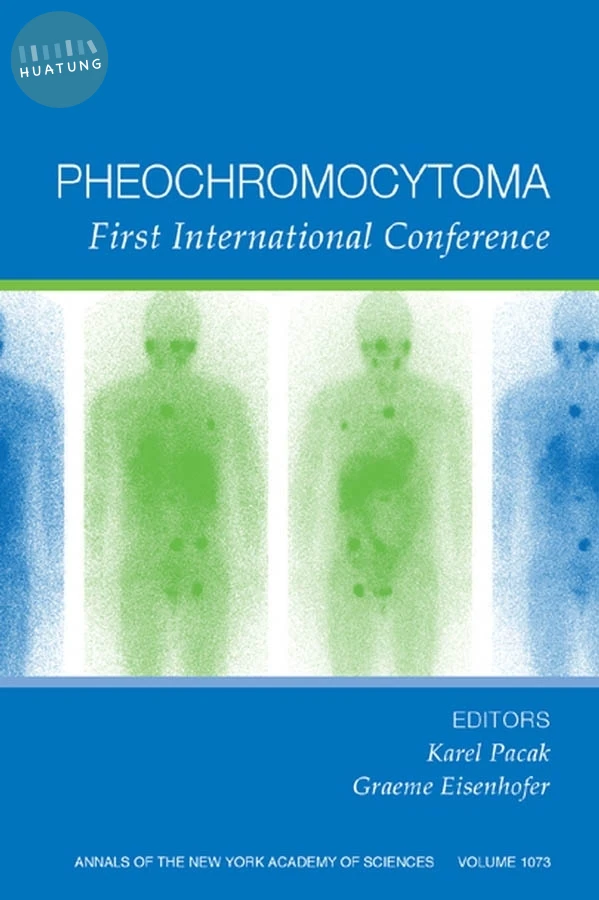
Pheochromocytoma
$5330元 定價: $5922 9折 可訂購
簡介
Pheochromocytoma is a rare neuroendocrine tumor with a highly variable presentation. There is lack of agreement about the most efficient and cost-effective methods for diagnosis and localization of the tumor, which can be lethal if not identified and treated promptly.Autopsy studies indicate that up to 50% of all cases remain undiagnosed until death.
Between 30 and 35% of the tumors have a hereditary basis. Development of malignancy is highly variable -- from less than 5% to more than 50% depending on the mutation; there is currently no effective cure.
This volume encompasses a number of themes in several sections: genetics and clinical decision-making; genetics, molecular pathways of tumorigenesis, and divergent phenotypes; kaleidoscopic presentations and a minefield for differential diagnosis of pheochromocytoma; biochemical diagnosis: can we reach consensus?; tumor localization and the evolving importance of functional imaging; and new molecular markers and targets for diagnosis and treatment of malignant pheochromcytoma.
NOTE: Annals volumes are available for sale as individual books or as a journal. For information on institutional journal subscriptions, please visit www.blackwellpublishing.com/nyas.
ACADEMY MEMBERS: Please contact the New York Academy of Sciences directly to place your order (www.nyas.org). Members of the New York Academy of Science receive full-text access to the Annals online and discounts on print volumes. Please visit http://www.nyas.org/MemberCenter/Join.aspx for more information about becoming a member
目錄
Introduction: Karel Pacak and Graeme Eisenhofer. Part I: Pheochromocytoma: A Kaleidoscope of Presentations and a Minefield for Differential Diagnosis: 1. Diagnostic Challenges and Vagaries of Pheochromocytoma: William M. Manger.
2. Clinical Characteristics of Incidentally-Discovered Pheochromocytoma Based on Experience in 50 Proven Cases: Emmanuel L. Bravo.
3. Clinical Experience with 1080 Adrenal Incidentalomas Observed at a Single Endocrinological Center: A Place for Chromaffin Tumors: Anna Kasperlik-Zaluska.
4. Characteristics of pheochromocytoma in a 4- to 20-year-old population: Marta Barontini.
5. Pheochromocytoma During Pregnancy: A Literature Survey: Henri Timmers.
6. Lack of Symptomatology in Patients with Histological Evidence of Pheochromocytoma: A Diagnostic Challenge: Debbie L. Cohen.
Part II: Genetics: Increasing Importance for Clinical Decision-Making:.
7. Predictors and Prevalence of Paraganglioma Syndrome Associated with Mutations of the SDHC Gene: Hartmut Neumann.
8. Genetic Analysis of Pheochromocytoma: The Rotterdam Experience: Winand N.M. Dinjens.
9. Molecular Genetic Analysis of the NF1 Gene in Neurofibromatosis-Associated Pheochromocytoma: Birke Bausch.
10. Candidate Gene Mutation Analysis in Pediatric Pheochromocytomas: Ronald R. de Krijger.
11. Familial Non-Syndromic Pheochromocytoma: Giuseppe Opocher.
12. Genetic Mutation Screening in an Italian Cohort of Non-Syndromic Pheochromocytoma/ Paraganglioma Patients: Maurizio Castellano.
13. Importance of SDHB Mutation Testing in Patients with Malignant Pheochromocytoma: Frederieke Brouwers.
Part III: Pheochromocytoma/Paraganglioma Syndromes:.
14. Paragangliomas: Clinical Overview: William F. Young, Jr.
15. Genetics of Pheochromocytoma/Paraganglioma Syndromes: Anne-Paule Gimenez-Roqueplo.
16. SDHD, SDHB Mutations: Different Phenotype and Penetrance (International SDH Consortium): Diana Benn.
17. Mutational Spectrum of Paragangliomas Obtained from Archival Paraffin Sections: Jeffrey Kant.
18. Sporadic SDHB Mutation in an Extra-Adrenal Pheochromocytoma: Francien H. Van Nederveen.
19. SDHD Founder Mutation in Italian Families with Head and Neck Paraganglioma: Francesca Schiavi.
Part IV: Tumor Biology, Molecular Pathways of and Genotype/Phenotype Relationships:.
20. Role of Familial Pheochromocytoma Genes in Developmental Culling of Sympathetic Progenitors: William Kaelin.
21. RET Receptor Signalling: Dissecting Receptor Function and Dysfunction: Lois Mulligan.
22. Hereditary Paraganglioma: An Emerging Link Between Krebs Cycle and Hypoxic Signaling: Bora E. Baysal.
23. Linking Hypoxia and Redox Signals in Pheochromocytoma: Transcription Association of VHL and SDH Mutations: Patricia Dahia.
24. Expression of mRNAs for Succinate Dehydrogenase Subunits and Related Genes in Pheochromocytoma: Kazumasa Isobe.
25. Low SDHB Expression by Immunohistochemistry Discriminates Pheochromocytoma with SDHB, SDHD and VHL Mutations from Other Hereditary Forms: Sandro Santagata.
26. Mouse Pheochromocytoma Cell Lines Reveal Transcriptional Silencing of Adrenergic Phenotype by Neurotrophin and cAMP: Marian J. Evinger.
Part V: Biochemical Diagnosis and Tumor Localization:.
27. Plasma Free Metanephrines for Diagnosis of Pheochromocytoma: False Positives and Effects of Sampling Conditions: Jacques W.M. Lenders.
28. Advancements in Biochemical Diagnosis of Pheochromocytoma: Ravinder Singh.
29. Multicenter Study on the Diagnostic Value of a New RIA for the Detection of Free Plasma Metanephrines in the Work-Up for Pheochromocytoma: Tomas Lenz.
30. Diagnostic Value of Plasma and Urinary Metanephrines and Catecholamines for the Diagnosis of Pheochromocytoma in Patients with Adrenal mass: Stephan Petersenn.
31. Evolving Role of PET Imaging for Diagnostic Localization of Pheochromocytoma: Karel Pacak.
32. Elusive Pheochromocytomas: Detection with Functional Imaging Using MIBG and FDG PET: Barry L. Shulkin.
Part VI: Management and Treatment of Pheochromocytoma:.
33. Risk-Oriented Surgical Approach to Hereditary Pheochromocytoma: Henning Dralle.
34. The Course of Urinary Metanephrine Excretion in Recurrent and Malignant Pheochromocytoma: Pierre-Francois Plouin.
35. Mortality Associated with Pheochromocytoma: Increased Risk of Additional Tumors: Amir Khorram-Manesh.
36. Clinical Analysis and Management of Pheochromocytoma: Experience from 360 Cases in Peking Union Medical College Hospital (PUMCH), Beijing, China: Zheng-pei Zeng.
37. Magnesium Sulfate in the Perioperative Management of Pheochromocytoma: Michael F. James.
38. Treatment of Bilateral Pheochromocytoma and Adrenal Medullary Hyperplasia: Svante Jansson.
Part VII: Malignant Pheochromocytoma:.
39. Phase II Study of High-Dose 131I-MIBG Therapy for Patients with Malignant Pheochromocytoma and Paraganglioma: Paul A. Fitzgerald.
40. 131I-MIBG Radiotherapy: Long-term Experience with Treatment of Malignant Pheochromocytoma and Paraganglioma: Jon P. Gockerman.
41. AT2 Receptor Stimulation May Halt Progression of Pheochromocytoma: Morris J. Brown.
42. Can Quantification of VMAT and SSTR Expression be Helpful for Planning Radionuclide Therapy of Malignant Pheochromocytomas: Lars Kölby.
43. Development of Novel Tools for the Diagnosis and Prognosis of Pheochromocytomas Using Peptide Marker Immunoassay and Gene Expression Profiling Approaches: Youssef Anouar.
44. Gene Expression Profiling of Benign and Malignant Pheochromocytoma: New Markers for Prognosis and Targets for Treatments: Peter Munson & Graeme Eisenhofer