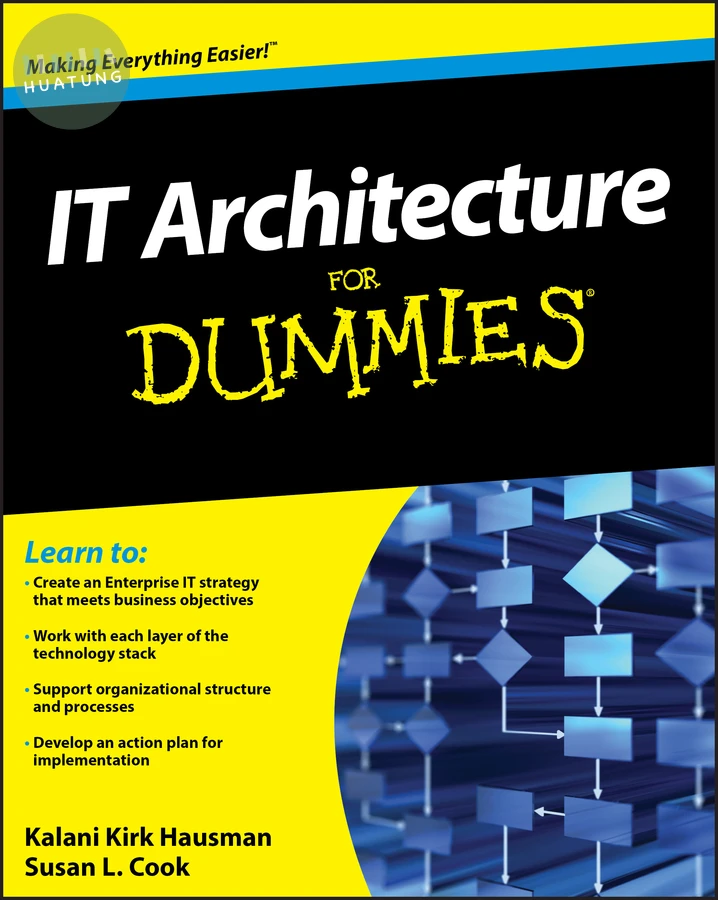
IT Architecture For Dummies
$1066元 定價: $1184 9折 可訂購
簡介
A solid introduction to the practices, plans, and skills required for developing a smart system architecture Information architecture combines IT skills with business skills in order to align the IT structure of an organization with the mission, goals, and objectives of its business. This friendly introduction to IT architecture walks you through the myriad issues and complex decisions that many organizations face when setting up IT systems to work in sync with business procedures.
Veteran IT professional and author Kirk Hausman explains the business value behind IT architecture and provides you with an action plan for implementing IT architecture procedures in an organization. You'll explore the many challenges that organizations face as they attempt to use technology to enhance their business's productivity so that you can gain a solid understanding of the elements that are required to plan and create an architecture that meets specific business goals.
Defines IT architecture as a blend of IT skills and business skills that focuses on business optimization, business architecture, performance management, and organizational structure
Uncovers and examines every topic within IT architecture including network, system, data, services, application, and more
Addresses the challenges that organizations face when attempting to use information technology to enable profitability and business continuity
While companies look to technology more than ever to enhance productivity, you should look to IT Architecture For Dummies for guidance in this field.
目錄
Introduction 1
Part I: Developing the Architecture 7
Chapter 1: Planning for Enterprise Realignment 9
Chapter 2: Exploring Tasks, Roles, and Tools 17
Chapter 3: Pondering Platform Pros and Cons 29
Part II: Defining the Role of IT Architecture 41
Chapter 4: Reducing Complexity through Standardization and Consolidation 43
Chapter 5: Planning Enterprise Information Security 65
Chapter 6: Complying with Mandates and Managing Risk 81
Part III: Creating an Enterprise Culture 93
Chapter 7: Developing Identity and Access Management Strategies 95
Chapter 8: Developing a Network Culture through Collaboration Solutions 113
Chapter 9: Reviewing Communication Methods 127
Part IV: Developing an Extended Network Enterprise 141
Chapter 10: Managing Data Storage 143
Chapter 11: Managing Application Development 163
Chapter 12: Planning for the Mobile Enterprise 175
Part V: Obtaining Value beyond the Basic Enterprise 193
Chapter 13: Virtualizing Enterprise Systems 195
Chapter 14: Facilitating High-Performance Computing 207
Chapter 15: Enabling Green IT 219
Part VI: Protecting the Enterprise 229
Chapter 16: Planning Technology Updates 231
Chapter 17: Planning Security Strategies 247
Chapter 18: Planning Business Continuity and Disaster Recovery 261
Part VII: The Part of Tens 273
Chapter 19: Ten Challenges for Redesigning an Existing Enterprise 275
Chapter 20: Ten “Low-Hanging Fruit” Opportunities 281
Glossary 289
Index 313